10 Common Roof Leak Causes & How to Spot Them Early

10 Common Roof Leak Causes & How to Spot Them Early A Roof Leak Detection Guide for Suburban Chicagoland Homeowners

A roof leak can start as a small problem but quickly turn into a costly repair if it goes unnoticed. Water entering through the roof can damage ceilings, walls, insulation, and even the structural parts of your home. Many leaks develop slowly and remain hidden for a long time, which is why homeowners often discover them only after visible water stains or interior damage appear. 

Understanding the most common causes of roof leaks can help you identify issues before they worsen. By learning how to recognize early warning signs and performing routine roof inspections, you can prevent major damage and extend the life of your roofing system. From damaged shingles to clogged gutters and aging materials, several common issues can lead to roof leaks over time. 

In this guide, we’ll explore 10 common roof leak causes and how to spot them early so you can protect your home and address problems before they become serious. 

Roof Leak Causes  Early Warning Signs  Prevention Tip 
Damaged or Missing Shingles  Curled edges, missing shingles, granules in gutters  Inspect roof after storms 
Cracked Flashing  Rust, gaps near chimney/vents  Repair or reseal flashing 
Clogged Gutters  Overflowing water, debris buildup  Clean gutters twice yearly 
Damaged Vent Boots  Cracked rubber seals, attic moisture  Replace worn vent seals 
Skylight Leaks  Water stains around frame  Inspect seals regularly 
Chimney Issues  Crumbling mortar, rusted flashing  Waterproof and inspect annually 
Ice Dams  Large icicles, interior stains  Improve attic insulation 
Roof Membrane Damage  Bubbling, cracks, ponding water  Schedule regular inspections 
Roof Valley Problems  Debris in valleys, loose shingles  Keep valleys clear 
Roof Punctures  Visible holes, daylight in attic  Remove branches promptly 

Roof Leak Causes: Overview of Common Problem Areas 

Roof leaks can develop from multiple weak points across your roofing system. While shingles are often the first area homeowners inspect, leaks frequently originate from flashing, vents, valleys, gutters, and other transition points. Understanding these roof leak causes helps homeowners recognize vulnerabilities before interior damage occurs. 

Below is a breakdown of the most common roof leak causes, early warning signs, and simple prevention tips to help protect your home. 

Damaged or Missing Shingles 

Shingles are your roof’s first line of defense against rain, wind, and sunlight. Over time, severe weather, aging, and impact damage can cause shingles to crack, curl, or blow off completely. 

Early Warning Signs 

Shingle damage often develops gradually and may not cause immediate leaks. However, small signs of wear can quickly worsen after heavy rain or strong winds. Paying attention to these early indicators can help you address problems before water begins penetrating your roof. 

  • Visible gaps on the roof 
  • Curled or lifted shingle edges 
  • Granules collecting in gutters 
  • Dark worn patches on roof surface 

Regular visual inspections from the ground can help detect shingle issues before leaks begin. 

Cracked or Improperly Installed Flashing 

Flashing is thin metal installed around chimneys, vents, skylights, valleys, and roof joints to block water from entering vulnerable areas. When flashing becomes cracked, rusted, loose, or improperly installed, water can seep into the roof structure and cause leaks. 

Early signs to watch for include visible rust on flashing, gaps around roof penetrations, loose or lifted metal pieces, and water stains on ceilings near chimneys or vents. Repairing or replacing damaged flashing quickly can prevent leaks from spreading deeper into the roofing system. 

Get in touch

Get in touch with a roofing expert today!

Clogged Gutters and Downspouts 


Gutters direct rainwater away from your roof and foundation. When clogged, water backs up and can seep beneath shingles. 

Warning Signs 

When gutters become clogged or damaged, water cannot flow properly through the drainage system. Instead, it begins to back up and collect along the roofline, increasing the risk of leaks and water damage. Look for these early indicators that your gutters may need cleaning or repair. 

  • Overflowing water during rain 
  • Sagging or detached gutters 
  • Debris buildup 
  • Water pooling near roof edges 

Clean gutters at least twice a year to reduce risk. 

Damaged Roof Vents and Vent Boots 

Roof vents release hot air and moisture from the attic. These vents typically have rubber or plastic seals (vent boots) that can deteriorate over time due to sun exposure and weather conditions. 

Early signs of vent-related roof leaks include cracked or worn vent boots, visible gaps around vent pipes, loose vent covers, and moisture buildup in the attic. If these issues are identified early, replacing worn vent seals is usually a simple repair that can prevent more serious and costly roofing problems. 

Skylight Leaks 

Skylights can become leak-prone areas if not properly sealed or maintained. Poor installation or deteriorated flashing around skylights can allow rainwater to enter. 

Signs to watch for include condensation between panes, water stains around the skylight frame, and dripping during heavy rain. Inspect seals and flashing regularly to ensure proper protection. 

Chimney Leaks and Crumbling Mortar 

Chimneys are common leak points. The mortar between bricks can deteriorate over time, and flashing around the chimney may loosen. Early signs include crumbling mortar, cracked bricks, rusted chimney flashing, and water stains near the chimney. Regular chimney inspections and proper waterproofing help prevent leaks. 

Ice Dams and Snow Buildup 

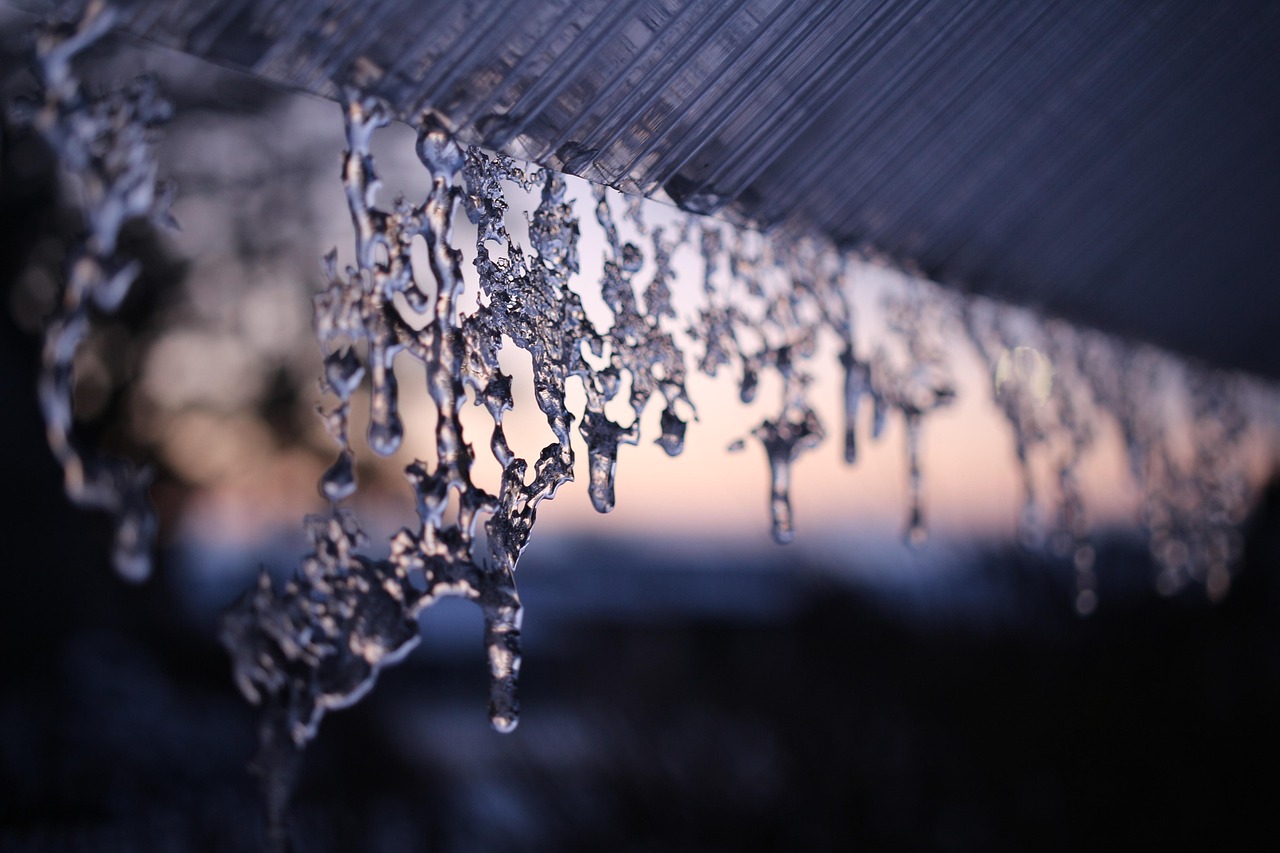
In colder climates, ice dams form when melting snow refreezes at roof edges, trapping water under shingles. 

Signs of Ice Dams 

  • Large icicles hanging from gutters 
  • Uneven snowmelt patterns 
  • Interior water stains after snowstorms 

Proper attic insulation and ventilation reduce ice dam risks. 

Breaks in the Roof Membrane (Flat or Low-Slope Roofs) 

Homes with flat or low-slope roofs rely on a waterproof membrane rather than shingles. Tears, cracks, or aging membrane materials can allow water infiltration. 

Warning signs of membrane roof damage include blistering or bubbling on the roof surface, visible cracks or splits in the membrane, and areas of ponding water that do not drain properly. Regular inspection of membrane roofing systems is essential to detect these issues early and prevent leaks or structural damage. 

Roof Valleys and Design Flaws 


Roof valleys channel large volumes of water. If poorly installed or clogged, they become leak-prone areas. 

Early Indicators 

Roof valleys handle a high volume of rainwater, making them especially vulnerable to leaks if not properly maintained. Because they direct water toward gutters, even small blockages or installation flaws can quickly lead to moisture intrusion. Watch for these early warning signs of valley-related problems. 

  • Debris accumulation in valleys 
  • Loose shingles near valley edges 
  • Water stains after heavy rainfall 

Keeping valleys clear improves drainage performance. 

Roof Punctures and Penetrations 

Falling branches, foot traffic, or rooftop equipment installations can puncture roofing materials. Even small holes allow water to seep into the roof over time. 

Signs of roof punctures or debris damage include broken branches resting on the roof, visible holes in roofing materials, daylight shining through the attic, and damp insulation. Addressing punctures quickly is essential to prevent widespread water damage and protect the structural integrity of your home. 

When to Call a Professional Roofer 

Certain issues require expert evaluation. 

Call a Roofing Professional If You Notice 

Some roofing problems go beyond routine maintenance and require expert evaluation. If left unaddressed, these issues can quickly escalate into serious structural damage. Watch for the following warning signs that indicate it’s time to contact a professional roofer. 

  • Persistent or recurring leaks 
  • Significant shingle damage 
  • Structural sagging 
  • Extensive flashing or membrane problems 

Why Professional Help Matters 

Hiring an experienced roofing contractor ensures that the root cause of the problem is properly diagnosed and repaired. Professional services not only fix visible damage but also prevent hidden issues from causing long-term complications. 

  • Identifies hidden damage 
  • Ensures repairs meet building codes 
  • Provides long-term solutions 
  • Improves roof durability 

For homeowners seeking trusted roofing professionals, companies like 3jmext provide comprehensive inspections, leak detection, and repair services to address both minor and major roofing concerns. Working with an experienced contractor ensures your roof remains durable and weather-resistant. 

If you’ve noticed warning signs like missing shingles, damaged flashing, attic moisture, or recurring leaks, don’t wait for the problem to get worse. Contact 3jmext for professional roof inspections, accurate leak detection, and long-lasting repair solutions. Their experienced team can quickly identify the source of the issue and recommend the most effective fix to protect your home. Give us a call at (630) 985-6494

Conclusion 

Roof leaks rarely happen overnight; they develop gradually due to small issues that go unnoticed. By recognizing the 10 main roof leak causes and learning to detect early warning signs, homeowners may prevent minor problems from becoming major repairs.  

Your roofing system will be protected and have a longer lifespan with routine maintenance, inspections, and repairs. Easy actions like gutter cleaning, flashing inspection, shingle inspection, and adequate ventilation maintenance can make a big difference.  

If you discover recurring problems or structural concerns, consulting a professional roofer such as the specialists at 3jmext.com will guarantee your property remains safe, dry, and protected for years to come. 

Frequently Asked Questions

If my roof is leaking, what should I do?

If your roof is leaking, inspect the attic for visible moisture, use a temporary tarp to limit water damage, and contact a professional roofer as soon as possible for permanent repair.

What is the solution for roof leakage?

The solution for roof leakage is to identify the source of the leak and repair or replace the damaged shingles, flashing, vents, or membrane, and ensure proper sealing to prevent further water intrusion.

How to identify leaks in a roof?

Water stains on walls or ceilings, damp insulation in the attic, dripping during rain, moldy smells, or obvious roof damage like missing shingles or fractured flashing are all signs of a roof leak.

Why does a roof leak?

When shingles, flashing, vents, or membranes are worn out, broken, or placed incorrectly, water can seep through vulnerable or exposed portions of a roof.

Get in touch with 3JM today!

Get in touch with 3JM today to schedule your roof inspection!