
Renovating your home’s exterior is one of the most impactful investments you can make. A well-executed exterior update improves curb appeal, increases property value, enhances energy efficiency, and strengthens protection against the elements. However, exterior renovations can easily go wrong when design decisions are rushed, mismatched, or poorly planned.
Many homeowners focus on individual upgrades without considering how each change affects the home’s overall look and performance. The result? A renovation that feels disjointed, outdated, or structurally flawed.
Below are seven common design sins homeowners commit when renovating their home’s exterior, along with how to avoid them.
| Renovating Your Home’s Exterior | Common Design Sin | Why It’s a Problem | Smart Solution |
| Retractable Awning | Incorrect size or clashing color | Disrupts proportion and visual balance | Match scale to façade and coordinate colors |
| Front Door Upgrade | Trendy style that conflicts with the architecture | Creates design inconsistency | Choose a style aligned with the home’s era |
| Landscaping Refresh | Overgrown or overcrowded plants | Hides architectural features | Maintain clean, structured planting beds |
| Exterior Lighting | Mismatched fixtures or poor placement | Reduces cohesion and curb appeal | Use consistent finishes and balanced lighting |
| Fence Installation | Incompatible material or design | Clashes with the overall aesthetic | Match fence style to siding and trim |
| New Shutters | Incorrect sizing or color contrast | Looks artificial and disproportionate | Size shutters to actual window dimensions |
| Siding Replacement | Focusing only on color | Overlooks durability and performance | Select climate-appropriate, high-quality materials |
Introduction: Boost Your Home’s Exterior with Renovations
Exterior renovations should create harmony between aesthetics and function. While new paint, siding, landscaping, or lighting can dramatically refresh a home, poor design coordination can undermine the entire project.
Before beginning any renovation, homeowners should consider the following:
- Architectural style
- Neighborhood context
- Climate conditions
- Material compatibility
- Long-term durability
Working with experienced exterior renovation professionals, such as 3jmext.com, helps ensure upgrades are cohesive, structurally sound, and built for long-term performance.
1. Install a Retractable Awning—Without Considering Proportion
Retractable awnings can add charm, shade, and comfort to patios or decks. However, one of the most common design mistakes is installing an awning that overwhelms or underwhelms the home’s façade.
The Design Sin
One common mistake when installing a retractable awning is choosing a size that is either too large or too small for the home’s façade. Selecting colors that clash with the existing siding and trim can further disrupt visual harmony.
Additionally, ignoring proper mounting placement and symmetry affects the overall balance of the exterior design. Failing to seal installation points correctly can also create structural concerns. An oversized awning may dominate the exterior appearance, while improper installation can compromise the integrity of siding or roofing over time.
How to Avoid It
- Match awning scale to window and patio proportions
- Coordinate fabric colors with exterior paint and trim
- Ensure professional installation with proper sealing
Professionals at 3jmext evaluate structural attachment points to prevent moisture intrusion and long-term damage.
2. Change Up the Front Door—But Ignore Architectural Harmony
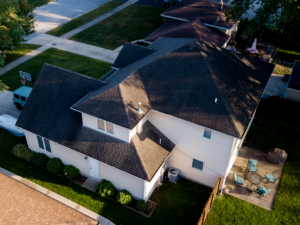
The front door is a focal point of any home. Updating it can instantly modernize the façade. However, homeowners often choose trendy designs that clash with their home’s architectural style.
The Design Sin
- Installing ultra-modern doors on traditional homes
- Choosing ornate glass inserts on minimalist exteriors
- Selecting bold colors without coordinating trim and siding
How to Avoid It
- Choose materials that match the architectural era
- Coordinate hardware finishes with lighting fixtures
- Ensure proper weather sealing for energy efficiency
A properly installed door not only enhances aesthetics but also improves insulation and security, areas where skilled installers like 3JM make a difference.
3. Refresh Your Landscaping—But Don’t Overdo It
Landscaping plays a vital role in framing your home. However, overgrown shrubs, mismatched plants, or cluttered garden beds can make even a newly renovated house look outdated.
The Design Sin
- Planting oversized shrubs that block windows
- Mixing too many plant species without a cohesive plan
- Ignoring seasonal growth patterns
- Neglecting routine maintenance
How to Avoid It
- Use clean, structured planting layouts
- Incorporate low-maintenance native plants
- Maintain symmetry and visual balance
Landscaping should highlight architectural features rather than conceal them.
4. Switch the Lighting—But Forget Cohesion
Exterior lighting enhances safety and nighttime curb appeal. However, mismatched or outdated lighting fixtures can disrupt design consistency.
The Design Sin
- Mixing multiple fixture styles
- Installing lights at inconsistent heights
- Choosing outdated or overly ornate designs
How to Avoid It
- Maintain consistent finishes and design themes
- Balance accent lighting with functional illumination
- Use warm tones for a welcoming effect
Properly installed exterior lighting systems, such as those handled by professionals at 3jmext.com, ensure both visual appeal and long-term electrical safety.
5. Build a Fence—Without Considering Style and Material
Fences provide privacy and security, but a poorly selected fence can clash with the home’s architecture.
The Design Sin
- Installing rustic fencing on a modern home
- Choosing low-quality materials prone to warping
- Ignoring neighborhood design standards
How to Avoid It
To avoid common lighting design mistakes, maintain consistent finishes and cohesive design themes across all exterior fixtures. Balance accent lighting with functional illumination to ensure both beauty and practicality.
Using warm-toned lighting creates a welcoming and inviting atmosphere while enhancing architectural features. Properly installed exterior lighting systems, such as those handled by professionals at 3jmext, ensure both visual appeal and long-term electrical safety.
6. Get New Shutters—But Ignore Scale and Function
Shutters add depth and charm when sized correctly.
The Design Sin
- Installing shutters that are too small for windows
- Selecting colors that clash with the siding
- Choosing purely decorative shutters without alignment
How to Avoid It
To avoid design mistakes with shutters, ensure they are properly sized to match the actual window dimensions and do not appear too small or disproportionate. Coordinate shutter colors with existing trim or roofing elements to maintain a cohesive exterior palette.
Proper mounting and precise alignment are essential for a polished appearance. Correct proportion and placement are key to achieving authentic exterior charm and architectural balance.
7. Reside Your Home —But Focus Only on Color
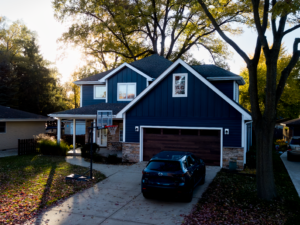
Replacing siding is one of the most transformative renovations. However, focusing solely on color while ignoring material quality and performance is a major mistake.
The Design Sin
- Selecting trendy colors that age quickly
- Ignoring energy efficiency benefits
- Mixing incompatible textures
- Overlooking trim and fascia coordination
How to Avoid It
To avoid costly siding mistakes, choose durable materials designed to perform well in your region’s climate. Select timeless color palettes that maintain long-term appeal rather than following short-lived trends. Coordinate trim, soffits, fascia, and roofing elements to create a cohesive and balanced exterior design.
Most importantly, work with experienced installers to ensure proper attachment, sealing, and structural performance. High-performance siding installation by professionals like 3jmext.com enhances weather resistance, supports insulation efficiency, and delivers long-term value.
The Importance of Design Cohesion
Each exterior element, from lighting to landscaping to siding, should function as part of a unified design system. Isolated upgrades without coordination create visual imbalance.
A comprehensive renovation plan ensures:
- Structural integrity
- Visual harmony
- Long-term durability
- Enhanced property value
Consulting with experienced exterior renovation specialists, such as 3jmext.com, helps homeowners avoid costly design mistakes.
Balancing Trend and Timelessness
Exterior renovations are long-term investments. Overly trendy finishes may feel outdated within a few years. Instead, focus on classic design principles and neutral foundations enhanced by subtle accents. Timeless materials and professional craftsmanship ensure enduring appeal.
Functional Performance Matters
Exterior design must go beyond appearance and support overall structural performance. Every upgrade should account for proper flashing and waterproofing to prevent moisture intrusion, adequate drainage systems to direct water away from the structure, efficient ventilation to regulate airflow, and energy-saving enhancements that improve insulation and comfort.
Ignoring performance in favor of style can result in premature repairs, higher maintenance costs, and long-term structural damage.
Planning for Long-Term Value
Strategic exterior upgrades deliver a strong return on investment. High-impact renovations include:
- Siding replacement
- Entry door upgrades
- Lighting modernization
- Clean landscaping design
When executed properly, these updates elevate curb appeal and resale potential.
Planning to renovate your home’s exterior? The experienced team at 3jmext.com delivers expert guidance, quality craftsmanship, and durable solutions tailored to your home’s design and structural needs. Call (630) 985-6494 or fill out our contact form to schedule your consultation and start your renovation with confidence.
Final Thoughts
Renovating your home’s exterior offers a tremendous opportunity, but only when done thoughtfully. Design sins such as poor proportions, mismatched materials, lack of cohesion, and disregard for structural performance can undermine your investment.
By carefully planning each renovation from awnings and doors to landscaping, lighting, fences, shutters, and siding, homeowners can create a harmonious and durable exterior.
Partnering with experienced professionals like 3jmext.com ensures that every design decision supports both visual appeal and structural integrity. A successful renovation is not about isolated upgrades; it is about creating a cohesive, weather-resistant exterior system that lasts.
With proper planning and expert guidance, your home’s exterior can remain timeless, functional, and visually impressive for years to come.
FAQs
What are typical errors in exterior design?
A mismatched look and early wear might result from selecting the incorrect materials. Many homeowners choose materials solely on looks, disregarding cost-effectiveness, longevity, and upkeep.
How should your house makeover be designed?
Developing a plan for your home renovation is the first step. Make a list of your requirements and desires, prioritized. You can get design inspiration for your home renovation project from a variety of places.
What is the decorating 3-5-7 rule?
Instead of using strict even-numbered pairings, the 3-5-7 rule in decorating suggests grouping objects in odd numbers (three, five, or seven) to create aesthetically pleasing, balanced, and dynamic displays.
What are the most common renovation mistakes?
The most common renovation mistakes include poor planning, underestimating the budget, choosing trendy designs over timeless styles, hiring unqualified contractors, and ignoring structural or building code requirements. Many homeowners also overlook proper permits, material quality, and long-term maintenance needs. Careful planning and professional guidance help prevent costly errors and ensure lasting results.
What devalues a house the most?
The factors that devalue a house the most include poor maintenance, outdated kitchens and bathrooms, structural issues (such as roof or foundation damage), bad layout changes, and neglected curb appeal. Unpermitted renovations, low-quality artistry, and visible water damage can also significantly reduce property value. Regular upkeep and quality upgrades help protect long-term resale potential.