
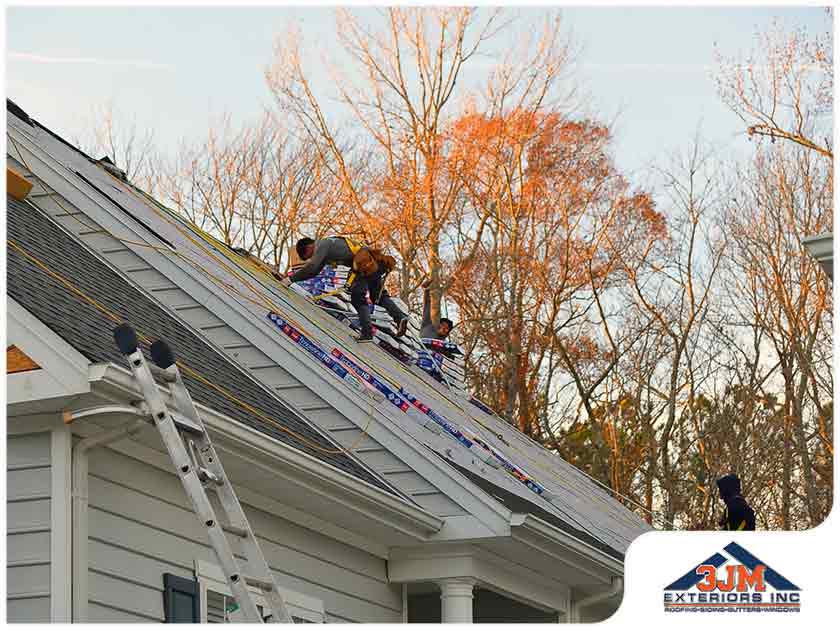
Storms can strike without warning, leaving behind roof damage, broken windows, flooding, fallen trees, and structural instability. In the immediate aftermath, homeowners and property managers often feel overwhelmed and unsure of what to do first. Emergency storm damage restoration is not just about repairs, it is about protecting your property, preventing further loss, and restoring safety as quickly as possible.
Understanding what to expect during storm damage restoration and how to respond while waiting for professional help can significantly reduce long-term damage and repair costs. Industry resources such as 3jmext.com frequently highlight the importance of immediate action and system-wide evaluation after severe weather events.
This comprehensive guide walks through each stage of the restoration process, from initial safety assessments to full reconstruction.
| Type of Damage | Warning Signs | Immediate Action | Professional Solution |
| Roof Damage | Missing shingles, leaks, sagging areas | Cover with tarp | Roof repair or replacement |
| Window Damage | Broken glass, cracked frames | Board up openings | Window replacement |
| Water Intrusion | Standing water, wet drywall | Remove water if safe | Professional drying & dehumidification |
| Structural Damage | Cracked walls, uneven floors | Avoid entry if unsafe | Structural inspection & reinforcement |
| Mold Growth | Musty odor, visible mold spots | Limit exposure | Mold remediation services |
| Siding Damage | Loose panels, impact dents | Secure loose sections | Siding repair or replacement |
| Electrical Hazards | Flickering lights, exposed wiring | Shut off power | Licensed electrical repair |
Assessing Safety Before Taking Action
After a storm passes, it’s important to pause and evaluate the situation carefully before taking any action. Rushing into a damaged property without checking for hazards can lead to serious injuries or further complications.
- Make safety your top priority immediately after a storm.
- Watch for hazards such as downed power lines, unstable roofing materials, broken glass, and flooding.
- Carefully inspect the surroundings before entering the property.
- Avoid entering the building if you suspect structural instability.
- Stay away from areas with possible electrical hazards.
- Wear protective gear such as gloves, boots, and masks when checking minor damage.
- Do not step into standing water if electricity may be present.
- Take a cautious approach in the first few hours to prevent injuries and ensure safe restoration efforts.
Assessing the Extent of Storm Damage
Once immediate safety concerns are addressed, the next step is evaluating the extent of the damage. This assessment provides a foundation for insurance claims and restoration planning.
Initial Inspection and Safety
Begin with a visual inspection of the property’s exterior. Look for missing shingles, damaged siding, cracked windows, and debris impact. Inside, check ceilings, walls, and floors for water stains or sagging.
Avoid climbing onto the roof unless you are trained and equipped. Instead, inspect from ground level or use binoculars to identify visible damage. Document everything carefully.
Identifying Structural Damage
Storms can compromise structural components such as roof decking, framing, support beams, and foundations. Signs of structural damage may include:
- Sagging rooflines
- Cracked or shifting walls
- Doors and windows that no longer close properly
- Uneven floors
Structural issues require professional evaluation. Attempting temporary fixes without understanding the full scope can lead to further complications. Experts and educational platforms like 3jmext.com often stress that hidden structural damage is one of the most overlooked consequences of major storms.
Documenting Damage for Insurance Purposes
Thorough documentation is critical for filing an insurance claim. Take clear photographs and videos of all visible damage, both inside and outside the property. Capture wide-angle shots and close-ups to provide context.
Make a detailed list of damaged items, including furniture, appliances, and structural components. Keep receipts for any emergency repairs or temporary materials purchased.
Contact your insurance provider as soon as possible to report the damage and initiate the claims process. Prompt reporting helps expedite approvals and coverage decisions.
Temporary Weatherproofing to Prevent Further Damage
Acting quickly after storm damage can significantly reduce additional loss. While waiting for professional restoration crews to arrive, taking temporary protective measures helps shield your home from further water intrusion and structural deterioration.
- Take immediate steps to protect the property while waiting for restoration professionals.
- Use heavy-duty tarps to cover damaged roof areas and prevent water intrusion.
- Secure broken windows with plywood or durable plastic sheeting.
- Seal small cracks or gaps to block wind-driven rain.
- Remove loose debris from the roof or surrounding areas if it is safe to do so.
- Ensure tarps are tightly fastened and anchored to withstand wind and additional storms.
- Regularly check temporary coverings for shifting or loosening.
- Remember that these are short-term protective measures until permanent repairs are completed.
Managing Water Intrusion and Moisture Control
Water damage is one of the most destructive consequences of storms. Standing water and moisture can weaken structural materials and promote mold growth within 24 to 48 hours. If safe to do so, remove standing water using wet/dry vacuums or pumps. Increase ventilation by opening windows and using fans or dehumidifiers. Remove soaked carpets, rugs, and upholstery to prevent mold formation.
Professional restoration teams use industrial-grade drying equipment to thoroughly eliminate hidden moisture and protect the integrity of the structure.
Restoration and Cleanup Processes
Professional storm restoration involves systematic cleanup and damage mitigation.
Mold Remediation and Prevention
Mold can begin developing within 24 to 48 hours after water intrusion, making quick action essential. Proper remediation not only removes existing mold but also addresses the underlying moisture issues to prevent future growth and protect indoor air quality.
- Address moisture immediately to prevent rapid mold growth.
- Inspect all affected areas for visible and hidden mold contamination.
- Use professional containment methods to prevent mold spores from spreading.
- Remove and safely dispose of contaminated materials such as drywall or insulation.
- Clean affected surfaces with approved antimicrobial and disinfectant solutions.
- Thoroughly dry structural components using industrial-grade drying equipment.
- Improve ventilation to reduce humidity levels in the property.
- Monitor indoor air quality after remediation to ensure safety.
- Implement preventative measures to avoid future mold issues, a concern frequently highlighted by roofing and restoration experts on platforms such as 3jmext.com.
Securing Structural Elements
Storm damage often compromises roofs, doors, windows, and load-bearing components. Stabilizing these elements is essential before reconstruction begins.
Temporary supports may be installed to reinforce weakened structures. Damaged roofing sections are secured to prevent collapse. Doors and windows are reinforced to maintain building security and weather resistance.
Protecting Personal Property Inside the Building
Storm damage not only affects the building structure. Furniture, electronics, important documents, and sentimental items may also be at risk.
Move salvageable belongings to dry, secure areas. Elevate items off wet floors and use protective coverings where possible. Restoration companies may offer content cleaning and storage services to preserve valuable items during repairs.
Boarding Up and Fencing for Security
After a storm, securing your property is just as important as repairing structural damage. Open or weakened areas can leave your home vulnerable to theft, vandalism, and additional weather exposure, so taking immediate protective steps is essential.
- Recognize that storm-damaged properties are more vulnerable to theft and vandalism.
- Identify broken windows, damaged doors, and exposed openings that compromise security.
- Board up shattered windows using sturdy plywood and secure fasteners.
- Reinforce damaged doors to prevent forced entry.
- Install temporary fencing around the property if structural damage is extensive.
- Secure gates, garages, and other access points.
- Post warning signs if necessary to deter trespassing.
- Maintain exterior lighting to improve visibility and safety.
- These temporary security measures help prevent unauthorized access and additional damage until full restoration is completed.
Repair and Reconstruction Strategies
Once mitigation and cleanup are complete, the focus shifts to permanent repairs and reconstruction.
Restoring to Pre-Loss Condition
The primary goal of storm damage restoration is to return the property to its pre-loss condition. This may include replacing roofing materials, repairing siding, rebuilding interior walls, and installing new flooring. Professionals ensure that structural integrity is restored and that all repairs meet current building codes and safety standards.
Navigating Insurance Claims
Filing an insurance claim after storm damage can feel overwhelming, but staying organized and proactive can make the process smoother. Acting quickly and maintaining clear communication with your insurer helps ensure accurate evaluation and timely reimbursement.
- Contact your insurance provider as soon as possible after storm damage occurs.
- Provide detailed documentation, including photos, videos, and written damage reports.
- Keep receipts for emergency repairs and temporary protective measures.
- Work closely with restoration contractors to prepare accurate repair estimates.
- Allow the insurance adjuster to inspect the property before major reconstruction begins.
- Review your policy coverage to understand deductibles and claim limits.
- Keep all paperwork, emails, and claim numbers organized in one place.
- Maintain regular communication with your insurance adjuster to monitor claim progress.
Commercial Property Considerations
Storm damage can significantly impact business operations, making fast and strategic action essential. A well-structured recovery plan helps protect people, property, and revenue.
- Prioritize safety for employees, customers, and visitors.
- Develop a plan to minimize operational downtime.
- Secure damaged areas to prevent liability risks.
- Coordinate restoration work around business hours when possible.
- Use specialized commercial-grade equipment for faster recovery.
- Protect sensitive equipment, inventory, and data systems.
- Communicate clearly with staff and customers about temporary closures or service changes.
- Implement a structured restoration plan to resume operations efficiently and safely.
Communicating With Restoration and Insurance Providers
Clear communication plays a vital role in successful restoration.
Coordinating with a Restoration Company
Choose a reputable restoration company with experience in storm damage recovery. Discuss timelines, costs, and expected outcomes. A professional team will conduct thorough inspections, provide transparent estimates, and develop a comprehensive restoration plan tailored to your property’s needs.
Receiving Continuous Updates
Restoration projects often involve multiple phases. Regular updates help property owners understand progress, address concerns, and make informed decisions. Effective communication ensures alignment between homeowners, contractors, and insurance representatives throughout the process.
Handling Hazardous Materials Carefully
Storm debris may contain hazardous materials such as asbestos, contaminated water, sharp metal, or chemical residues. These substances require careful handling by trained professionals. Avoid disturbing unknown materials and rely on licensed experts for safe removal and disposal.
Planning for Professional Restoration Arrival
Proper preparation before restoration crews arrive can speed up the recovery process and prevent unnecessary delays. Taking a few proactive steps ensures the work begins smoothly and safely once professionals are on-site.
- Clear accessible debris from entry points if it is safe to do so.
- Secure pets in a safe location away from work areas.
- Protect or relocate valuable belongings to prevent further damage.
- Turn off utilities if advised and ensure safe access to water and electricity when needed.
- Provide restoration crews with clear access to driveways, doors, and affected areas.
- Document any additional damage discovered after the initial inspection.
- Prepare copies of insurance documents and repair estimates for contractors.
- Make a list of concerns or priority repairs to discuss with the restoration team.
- Staying organized helps crews begin work efficiently and minimizes project delays.
Effective Communication and Support
Recovering from storm damage can be both physically and emotionally challenging. Clear communication and reliable support from professionals, insurers, and family members help reduce stress and keep the restoration process organized and on track.
- Maintain regular communication with restoration contractors for updates.
- Stay in contact with your insurance provider to track claim progress.
- Discuss timelines, expectations, and costs clearly to avoid misunderstandings.
- Keep family members informed about safety precautions and project stages.
- Ask questions whenever clarification is needed.
- Request written estimates and progress reports for transparency.
- Seek emotional support if needed, as storm recovery can be stressful.
- Trust experienced restoration professionals to guide you through the recovery process with expertise and reassurance.
If your property has suffered storm damage, acting quickly can prevent further complications and costly repairs. The experienced team at 3jmext.com provides thorough inspections, emergency mitigation services, and complete restoration solutions tailored to your situation. From roof damage and water intrusion to full structural repairs, their professionals are ready to respond promptly and efficiently. Call (630) 985-6494 or visit 3jmext.com to schedule an emergency assessment and protect your property today.
Final Thoughts
Emergency storm damage restoration is a multi-step process that begins with safety and ends with full reconstruction. From assessing structural damage and documenting losses to managing water intrusion and coordinating with insurance providers, each phase plays a critical role in recovery.
Acting quickly, securing your property, and working with experienced professionals can significantly reduce long-term damage and costs. With guidance from trusted industry resources like 3jmext.com, property owners can better understand the restoration process and make informed decisions that protect their homes and investments for years to come.
FAQs
What is storm damage restoration?
Storm damage restoration is the process of repairing and restoring a property after it has been damaged by severe weather, such as wind, hail, heavy rain, or flooding. It includes cleanup, water removal, structural repairs, and rebuilding to return the property to its original condition.
What to do if you have storm damage?
If you have storm damage, first ensure everyone’s safety and avoid hazardous areas. Document the damage with photos, make temporary repairs to prevent further loss, and contact your insurance company and a professional restoration contractor as soon as possible.
What’s the difference between restoration and remediation?
Remediation focuses on removing a specific problem, such as mold or water damage, to stop further harm. Restoration goes a step further by repairing and rebuilding the property to return it to its original condition.
What is a damage restoration service?
A damage restoration service is a professional service that cleans, repairs, and rebuilds property after damage caused by events like storms, fire, water leaks, or mold. It helps restore the home or building to its original condition safely and efficiently.
What is the average cost of storm damage repair?
The average cost of storm damage repair depends on the severity of the damage, the type of repairs needed, and the size of the property. Minor issues may require simple fixes, while major structural or roof damage can involve extensive restoration. For an accurate assessment and detailed estimate, contact form 3jmext.com to schedule a professional inspection.