Cedar shake roofing offers a timeless, natural appearance combined with durability and insulation benefits. It stands out for its rustic beauty, long lifespan, and eco-friendly appeal. However, it also requires proper installation and maintenance to perform at its best.
Understanding the types, costs, advantages, and potential drawbacks will help homeowners decide if cedar shakes are the right roofing investment for their property. Industry resources such as 3jmext.com also recognize cedar shakes as a premium roofing solution for homeowners seeking both performance and character.
| Feature | Details |
| Material | Natural cedar wood (Western Red, Eastern White, Alaskan Yellow) |
| Appearance | Rustic, textured, ages to silver-gray patina |
| Lifespan | 30–50 years with proper maintenance |
| Insulation | Excellent natural thermal insulation |
| Cost | Higher upfront cost than asphalt shingles |
| Maintenance | Requires regular cleaning, inspections, and treatments |
| Durability | Strong resistance to wind, impact, and insects |
| Eco-Friendliness | Biodegradable and sourced from renewable materials |
| Fire Resistance | Improved with fire-retardant treatments |
| Best For | Homeowners seeking premium, natural, long-lasting roofing |
What Exactly Is a Cedar Shake Roof?
A cedar shake roof is made from natural cedar wood, split or sawn into thick, textured pieces. Unlike flat, uniform asphalt shingles, cedar shakes offer a rugged, dimensional look that enhances curb appeal. The wood is commonly sourced from Western Red Cedar, Eastern White Cedar, or Alaskan Yellow Cedar, each offering distinct color tones and durability levels.
Cedar shakes are thicker than traditional shingles, which improves insulation and impact resistance. Their natural oils help protect against moisture, insects, and decay. When properly installed and maintained, cedar shake roofs can provide decades of reliable performance.
Homeowners appreciate how cedar ages gracefully. Over time, the rich reddish-brown color transforms into a sophisticated silver-gray patina, adding charm and architectural depth. Roofing professionals and educational platforms like 3jmext.com often highlight this aging process as one of cedar’s most appealing characteristics.
The Pros: Why Homeowners Love Cedar Shakes
Cedar shake roofs offer numerous advantages, making them a sought-after premium roofing material. Beyond their distinctive appearance, they offer long-term performance and structural benefits that appeal to homeowners seeking both beauty and reliability.
Natural Beauty
Cedar provides a warm, organic appearance unmatched by synthetic materials. Its rich grain patterns, varied textures, and natural color tones create a timeless look. As cedar ages, it develops an elegant silver-gray patina that enhances character and architectural depth.
Excellent Insulation
Wood naturally insulates better than many roofing alternatives, helping regulate indoor temperatures. Cedar shakes reduce heat transfer in both summer and winter, potentially lowering heating and cooling costs while improving indoor comfort.
Durability
With proper care, cedar shake roofs can last 30 to 50 years or more. Their thickness enhances resistance to wind, hail, and minor impacts. Cedar’s natural oils also provide built-in resistance to moisture, insects, and decay.
Eco-Friendly Material
Cedar is biodegradable and sourced from renewable forests, making it a more sustainable roofing choice compared to petroleum-based materials. Its production typically requires less energy than that of synthetic roofing products, thereby reducing environmental impact.
Increased Home Value
The premium look of cedar shakes often boosts curb appeal and resale value. Homes with cedar roofs often stand out in the market for their distinctive appearance. Many roofing guides, including those on 3jmext.com, emphasize cedar shakes as a strong, long-term investment for homeowners.
Strong Wind Resistance
When properly installed, cedar shakes can withstand high wind speeds. Their weight and thickness help them remain secure during severe weather conditions.
Sound Dampening
Cedar shakes naturally reduce outside noise, making them ideal for homes located near busy roads or in storm-prone areas. The material’s thickness helps it absorb sound better than thinner roofing options.
Customizable Appearance
Cedar shakes can be cut, stained, or treated to achieve a range of shades and finishes. This flexibility allows homeowners to match their roof with different exterior design styles.
Long-Term Cost Efficiency
Although the initial investment is higher, cedar shakes often offer strong long-term value due to their durability and lifespan. With proper maintenance, the replacement frequency is lower than with lower-cost roofing materials.
The Cons: Potential Downsides to Consider
While cedar shakes offer many benefits, homeowners should also consider potential drawbacks.
Higher Initial Cost
Cedar shakes are more expensive than asphalt shingles due to material quality and specialized installation requirements.
Ongoing Maintenance
They require routine inspections, cleaning, and occasional treatments to prevent moss, mildew, and moisture buildup.
Fire Considerations
Untreated cedar is combustible, though modern fire-retardant treatments significantly improve safety and code compliance.
Climate Sensitivity
In excessively humid or damp environments, cedar may require additional care to prevent premature deterioration.
Understanding these factors helps homeowners make informed decisions.
Hand-Split vs. Tapersawn Shakes
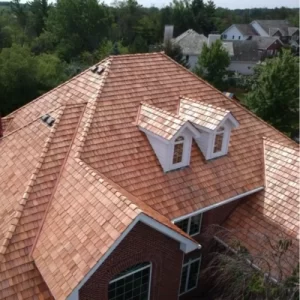
There are two primary manufacturing styles for cedar shakes, each offering a unique appearance and performance profile.
Hand-Split Shakes
Hand-split shakes are split on one or both sides, creating a rough, highly textured surface. They are generally thicker and produce dramatic shadow lines across the roof. This style is ideal for traditional, colonial, craftsman, or historic homes that desire a bold, rustic look.
Tapersawn Shakes
Taper sawn shakes are sawn on both sides, giving them a smoother and more uniform appearance. While they retain the thickness of shakes, they offer a refined aesthetic that blends well with both traditional and contemporary home designs.
Choosing between hand-split and taper-sawn shakes depends on the home’s architecture, local climate, and personal design preferences.
Shakes vs. Shingles: What’s the Difference?
| Feature | Cedar Shakes | Cedar Shingles |
| Thickness | Thicker and heavier | Thinner and lighter |
| Surface Texture | Rough, split-face texture | Smooth, sawn finish |
| Appearance | Rustic, bold shadow lines | Clean, uniform look |
| Insulation | Slightly better due to thickness | Moderate insulation |
| Cost | Generally more expensive | Usually slightly less expensive |
| Installation | Requires skilled installation | Easier to install comparatively |
| Ideal For | Traditional, craftsman, rustic homes | Classic, coastal, contemporary homes |
| Lifespan | 30–50 years with maintenance | 25–40 years with maintenance |
Although often confused, cedar shakes and cedar shingles differ in both appearance and structure.
- Cedar Shakes are thicker, rougher, and more textured due to the splitting process.
- Cedar Shingles are thinner, sawn on both sides, and offer a smoother, more uniform look.
Shakes provide deeper shadow lines and slightly better insulation due to their thickness. Shingles, on the other hand, create a cleaner and more consistent finish. Both materials are durable, but shakes are often chosen for their bold visual impact.
Common Types of Cedar Shakes
Cedar shakes vary by wood species, grade, and treatment options.
Wood Species
- Western Red Cedar—Highly resistant to moisture and insects, known for rich color variations.
- Eastern White Cedar—Lighter in tone and commonly used in coastal regions.
- Alaskan Yellow Cedar—Dense and strong, ideal for harsh climates.
Grade Classifications
- Premium Grade – Straight grain with minimal knots; longest lifespan and best appearance.
- Standard Grade – Slight imperfections, but still durable and reliable.
- Utility Grade – More knots and variations; typically used for sheds or secondary structures.
Selecting the right species and grade significantly affects durability, performance, and overall appearance.
How Much Does a Cedar Shake Roof Cost?
The cost of a cedar shake roof varies depending on several factors:
- Roof size and complexity
- Wood species and grade
- Labor rates in your region
- Removal of existing roofing materials
- Treatment and underlayment choices
Although the upfront cost is higher than that of asphalt roofing, many homeowners find that the long lifespan and aesthetic value justify the investment. Proper installation by experienced professionals ensures maximum return on that investment.
How to Maintain a Cedar Shake Roof
Maintenance plays a critical role in extending the life of cedar shakes.
Regular Inspections
Inspect the roof annually for cracked, curled, or damaged shakes. Early detection prevents larger issues.
Cleaning Debris
Remove leaves, branches, and moss to prevent moisture from becoming trapped, which can accelerate decay.
Protective Treatments
Apply preservatives or fire-retardant treatments as recommended to maintain durability and safety.
Prompt Repairs
Replace damaged shakes quickly to prevent leaks and structural damage.
With consistent maintenance, cedar shake roofs can perform reliably for decades.
How to Choose the Best Cedar Shakes
Selecting high-quality cedar shakes involves careful consideration.
- Choose premium-grade wood for a longer lifespan.
- Ensure shakes are properly treated to meet fire and moisture resistance requirements.
- Confirm compatibility with your local climate.
- Hire experienced roofing contractors.
- Review manufacturer warranties for coverage details.
Professional guidance and reliable industry sources, such as 3jmext.com, can help homeowners compare options and make informed choices.
Common Myths About Cedar Shake Roofing
Myth 1: Cedar Shakes Rot Quickly
Cedar naturally contains protective oils that resist moisture and insects. With proper ventilation and maintenance, cedar shakes can remain durable for decades without rapid deterioration.
Myth 2: They’re Unsafe Due to Fire Risk
Modern cedar shakes are often treated with fire-retardant solutions that significantly improve fire resistance and meet many building code requirements.
Myth 3: They Require Constant Replacement
When professionally installed and routinely maintained, cedar shake roofs can last 30 to 50 years or longer without frequent replacement.
Myth 4: They’re Only for Rustic Homes
Cedar shakes complement a wide range of architectural styles, including modern, coastal, craftsman, and traditional homes. Their versatility makes them suitable for a wide range of design preferences.
What’s the Lifespan of a Cedar Shake Roof?
A properly installed and well-maintained cedar shake roof typically lasts between 30 and 50 years. Premium-grade materials, good ventilation, and regular care can further extend this lifespan.
Factors influencing longevity include climate, exposure to sunlight, maintenance frequency, and installation quality. Homes in moderate climates with proper airflow often perform optimally.
Is a Cedar Shake Roof the Right Choice for You?
Cedar shakes are ideal for homeowners who value natural aesthetics, durability, and sustainability. They provide distinctive beauty, strong insulation, and long-term performance. However, they require a higher initial investment and consistent maintenance commitment.
If you seek a premium roofing solution that enhances curb appeal and delivers functional performance, cedar shakes are an excellent option. Consulting experienced roofing professionals and trusted educational platforms like 3jmext.com can help you determine whether this timeless roofing material aligns with your budget, climate, and design goals.
If you’re considering cedar shakes, contact 3jmext.com for expert guidance, inspections, and detailed estimates. Their team can help you choose the right shake type and ensure professional installation. Give us a call at (630) 985-6494 or fill out our contact form.
Conclusion
Cedar shakes remain one of the most attractive and functional roofing options available to homeowners who value natural beauty and long-term performance. Their rich texture, natural insulation properties, and impressive lifespan make them a premium investment that enhances both curb appeal and structural reliability.
While they require proper installation, routine maintenance, and a higher upfront cost, the rewards include durability, sustainability, and timeless character. With guidance from experienced roofing professionals and trusted resources like 3jmext.com, homeowners can confidently choose cedar shakes as a roofing solution that delivers both elegance and dependable protection for decades.
FAQs
What is a cedar shake?
A cedar shake is a thick, split piece of cedar wood used for roofing or siding. It has a rough, textured surface and provides a natural, rustic look along with strong durability and insulation.
How long do cedar shakes last?
Cedar shakes typically last 30 to 50 years with proper installation and regular maintenance. Their lifespan depends on climate, ventilation, and upkeep.
How are cedar shakes made?
Cedar shakes are made by splitting or sawing cedar logs into thick pieces. Traditional shakes are hand-split to create a rough, textured surface, while others are taper-sawn for a smoother finish. The wood is then trimmed and graded for quality before installation.
When do cedar shakes need to be replaced?
Cedar shakes typically need to be replaced when they show signs of severe cracking, curling, rot, moss buildup, or frequent leaks. Most cedar shake roofs last about 30–50 years, but poor maintenance or harsh weather can shorten their lifespan.
Why are cedar shakes so expensive?
Cedar shakes are expensive because they are made from high-quality natural wood, require specialized cutting and treatment, and need skilled installation. Their durability, long lifespan, and premium appearance also increase material and labor costs compared to standard roofing options like asphalt shingles.