When summer temperatures rise, your attic can quickly become the hottest space in your home. On a 90°F day, attic temperatures can climb to 130–150°F or higher. That trapped heat doesn’t stay contained; it radiates downward into living spaces, forces your air conditioner to work harder, and can even shorten the lifespan of roofing materials.
If you’ve noticed higher cooling bills, uneven indoor temperatures, or overheated upstairs rooms, your attic may be the culprit. The good news is that there are proven strategies to reduce attic heat and improve overall comfort.
| Feature | How It Works | Benefit in Summer |
| Openable Roof Windows | Allows hot air to escape from the highest point of the attic | Reduces trapped heat naturally |
| Night Ventilation | Open windows during cooler evening hours | Lowers attic temperature without AC use |
| Built-in Ventilation Flaps | Provides controlled airflow even when the window is closed | Maintains steady air circulation |
| Adjustable Openings | Regulates the amount of incoming and outgoing air | Improves comfort and airflow balance |
| Combined Intake & Exhaust Venting | Works with soffit or ridge vents | Creates efficient cross-ventilation |
Introduction: Why Loft and Attic Heat Matters
Your attic acts as a protective buffer between your roof and living spaces. When it overheats, several problems can occur:
- Increased indoor temperatures
- Higher energy bills
- Premature roof aging
- HVAC strain
- Reduced comfort upstairs
A properly cooled attic improves energy efficiency, protects roofing materials, and enhances indoor comfort. Professional exterior specialists like 3jmext often evaluate attic conditions when inspecting roofing systems, as ventilation and insulation play a major role in roof longevity.
What Causes Heat to Build Up in the Loft or Attic
Understanding why attics overheat helps identify the right solutions.
Solar Heat Gain
Your roof absorbs sunlight all day, especially if you have dark shingles. This heat transfers through the roof decking into the attic, causing temperatures to rise significantly above outdoor levels. Reflective or lighter-colored roofing materials can help reduce this heat buildup.
Poor Ventilation
Without proper intake and exhaust vents, hot air becomes trapped in the attic. Since heat rises, poor ventilation allows temperatures to climb quickly, increasing strain on your cooling system and potentially damaging roofing materials.
Inadequate Insulation
Low or improperly installed insulation allows attic heat to pass into living spaces. Insulation acts as a barrier, but gaps, compression, or low R-values reduce its effectiveness during summer.
Air Leaks
Small cracks around attic hatches, vents, wiring, and fixtures allow hot air to enter and cooled air to escape. Sealing these gaps improves energy efficiency and helps maintain stable attic temperatures.
Radiant Heat Transfer
The underside of your roof absorbs solar energy and radiates heat into the attic. Installing radiant barriers can reflect much of this heat away, reducing overall attic temperature.
Addressing these issues requires a combination of ventilation, insulation, sealing, and shading improvements.
The Problems Caused by Excess Heat in the Loft
Excess attic heat can create multiple structural and comfort-related issues.
Increased Cooling Costs
- When attic temperatures climb, your air conditioner must work harder to maintain indoor comfort.
Heat Radiating Into Living Spaces
- Upper floors may feel noticeably warmer than lower levels.
Roofing Material Damage
Extreme attic heat can:
- Accelerate shingle deterioration
- Warp decking
- Dry out sealants
- Shorten roof lifespan
Routine inspections from experienced contractors like 3jmext can identify ventilation problems before they cause long-term roof damage.
Improve Loft Ventilation
Ventilation is one of the most effective ways to cool an attic.
How Ventilation Works
- Hot air naturally rises. A balanced ventilation system allows hot air to escape while drawing cooler air in from outside.
Types of Ventilation Systems
- Soffit vents (intake)
- Ridge vents (exhaust)
- Gable vents
- Solar attic fans
Balanced intake and exhaust ventilation ensure consistent airflow. Professional roofers such as 3jmext can evaluate whether your attic has proper ventilation ratios for optimal performance.
Loft Insulation Solutions
Insulation keeps heat out during summer just as effectively as it keeps warmth in during winter.
How Insulation Helps
Insulation slows heat transfer between the attic and living spaces, acting as a thermal barrier that keeps excessive heat from penetrating your ceilings. In summer, it reduces the amount of attic heat that radiates downward into your home, helping maintain more consistent indoor temperatures.
Proper insulation also reduces strain on your HVAC system, improves overall energy efficiency, and lowers cooling costs. When installed at the correct depth and R-value for your climate, insulation plays a crucial role in keeping your home comfortable during extreme heat.
Upgrade Insulation Levels
If your insulation is below the recommended R-values, consider upgrading.
Common insulation types include:
- Fiberglass batts
- Blown-in cellulose
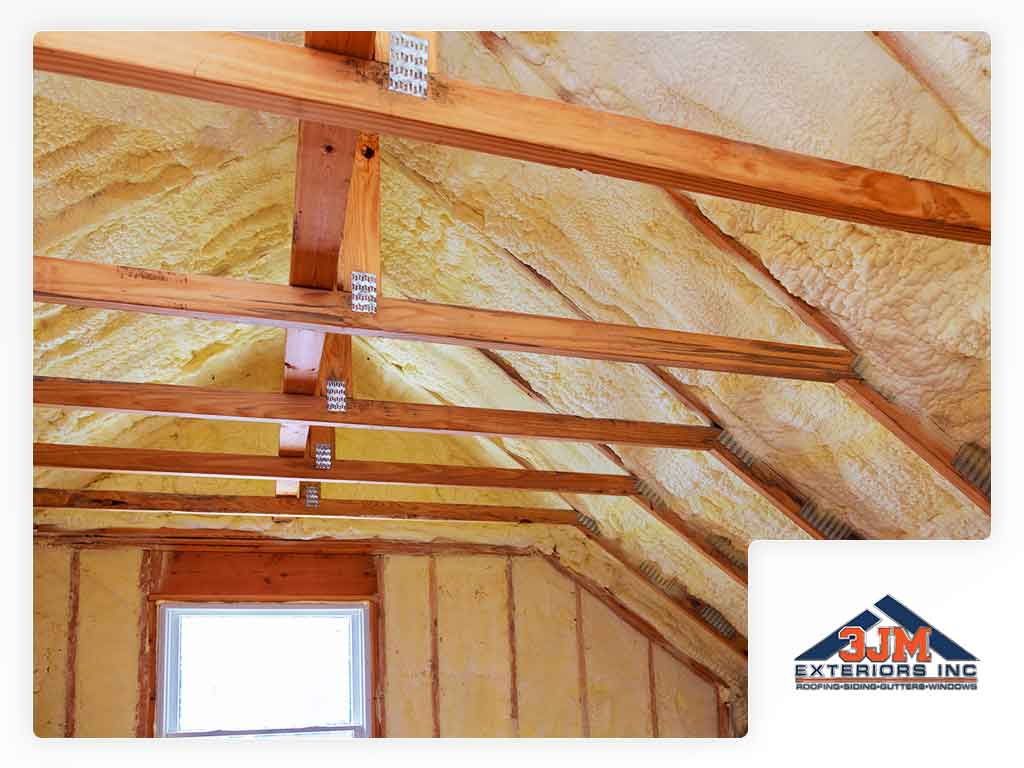
- Spray foam insulation
Proper insulation reduces heat transfer and improves overall energy efficiency.
Install Radiant Barriers
Radiant barriers are reflective materials installed beneath roof decking.
How Radiant Barriers Work
They reflect radiant heat away from the attic, reducing heat buildup.
Benefits include:
- Lower attic temperatures
- Reduced cooling demand
- Improved energy efficiency
Radiant barriers are especially effective in hot climates with intense sun exposure.
Use of Loft Windows and Roof Lights
If your attic includes windows or roof lights, managing them properly can help control heat.
Openable Roof Windows
Opening roof windows during cooler evening hours allows trapped hot air to escape naturally. Since heat rises, roof windows positioned at higher points in the attic create an effective release point, encouraging warm air to flow out while drawing in cooler air from lower openings. This natural ventilation process can significantly reduce nighttime attic temperatures without increasing energy use.
Ventilation Features
Some roof windows are specifically designed to enhance airflow with built-in ventilation flaps or adjustable openings. These features allow controlled air exchange even when the window is closed, improving circulation while maintaining security and weather protection. When combined with proper intake vents, these ventilation features help maintain balanced airflow and reduce heat buildup throughout the attic space.
Solar and Shading Options
- Sunlight entering through roof windows increases attic temperatures.
External Shading
- Exterior blinds block sunlight before it enters.
Solar Control Glass
- Special glazing reduces solar heat gain.
Interior Blinds
- Help limit heat transfer, though they are less effective than external shading.
Blocking sunlight at the source significantly lowers attic heat gain.
Seal Off Cracks and Prevent Air Leaks
Air sealing is often overlooked but critical.
Common Leak Areas
- Around attic hatches
- Light fixtures
- Plumbing vents
- Wiring penetrations
Sealing these gaps prevents hot air infiltration and enhances insulation performance.
Loft Design Considerations
- Attic design plays a major role in temperature control.
Reflective Roofing Materials
- Cool roof shingles reflect more sunlight.
Roof Color Choice
- Lighter colors absorb less heat.
Roof Overhangs
- Proper overhangs reduce direct sunlight exposure.
When replacing your roof, professionals like 3jmext.com can recommend roofing materials that improve energy efficiency while enhancing durability.
Energy-Efficient Behaviors for Loft Comfort
Homeowners can also adopt simple habits to reduce heat.
- Open windows at night when temperatures drop
- Use ceiling fans to circulate air
- Limit indoor heat sources during peak afternoon hours
- Switch to energy-efficient lighting
Small behavioral changes can complement structural improvements.
Additional Cooling Methods and Tips
If ventilation and insulation upgrades are insufficient, consider:
- Whole-house fans
- Attic fans
- Duct insulation
- HVAC duct sealing
- Smart thermostats
An integrated approach often produces the best results.
Professional Inspection and Assessment
Sometimes attic heat issues require expert evaluation.
A professional inspection can assess:
- Ventilation balance
- Insulation depth
- Air sealing effectiveness
- Roof condition
Experienced exterior contractors like 3jmext provide comprehensive roofing and attic evaluations to ensure your home remains protected and energy efficient throughout the summer.
If your attic is overheating or your home struggles to stay cool during summer, a professional inspection can identify the right combination of ventilation, insulation, and roofing improvements. Proper evaluation ensures long-term comfort and energy efficiency. For expert attic and roofing assessments, contact 3jmext today. Call (630) 985-6494 or fill out our contact form to schedule your consultation and keep your home cooler this summer.
Conclusion
A hot attic can significantly affect your home’s comfort, energy bills, and roof lifespan during summer. By combining proper ventilation, upgraded insulation, radiant barriers, shading solutions, and air sealing, you can dramatically reduce attic temperatures.
No single solution works alone. The most effective strategy involves a balanced, integrated approach tailored to your home’s structure and climate. If you’re experiencing excessive attic heat or planning a roof upgrade, consulting professionals such as 3jmext ensures that ventilation, insulation, and roofing systems work together for long-term performance.
Cooling your attic isn’t just about comfort; it’s about protecting your home, lowering energy costs, and extending the life of your roofing system for years to come.
FAQs
How to make an attic less hot in summer?
To make an attic less hot in summer, improve ventilation (add soffit and ridge vents or attic fans), upgrade insulation, seal air leaks, and consider installing a radiant barrier or reflective roofing materials to reduce heat buildup.
What is the attic’s “7 by 7” rule?
7s rule. The 7s rule is useful while evaluating your options, but it’s not required. According to this regulation, at least half of your attic area must be 70 square feet in size, measuring 7 feet high by 7 feet wide.
Why do attic rooms get so hot?
Your loft area may feel like it’s boiling because hot air rises and becomes trapped in your attic. Roof windows are an excellent source of natural ventilation, which is necessary to keep your loft comfortable during the summer.
How can I cool my attic cheaply?
You can cool your attic cheaply by sealing air leaks, adding weatherstripping to the attic hatch, improving natural ventilation, installing a basic attic fan, and adding affordable blown-in insulation if levels are low.
How can heat be extracted from an attic?
The secret to lowering attic temperatures is ventilation. Attic fans draw warm air from the attic and replace it with colder outdoor air. Solar-powered attic fans are a great energy-saving choice that can reduce cooling costs and the carbon footprint of your home.