
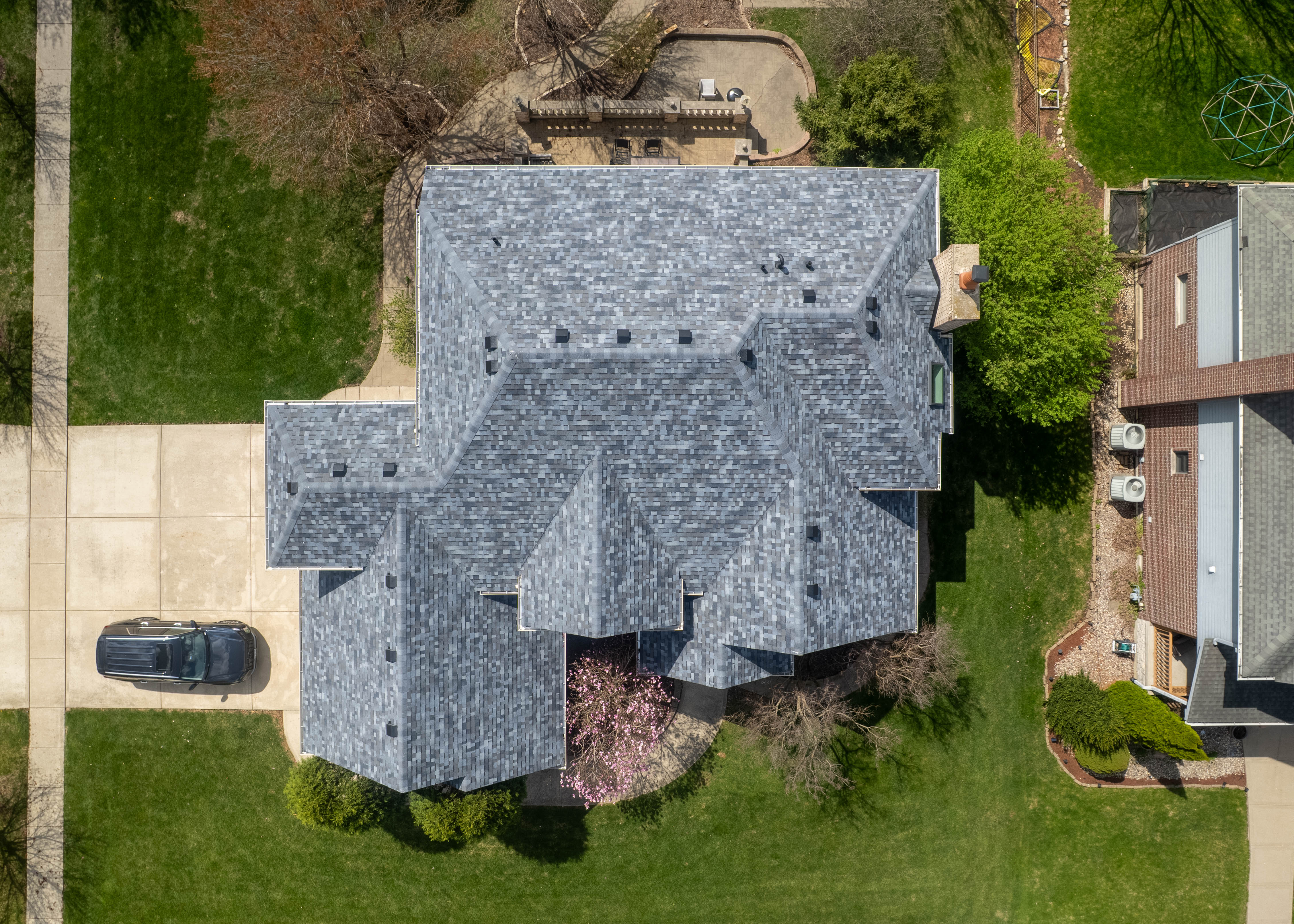
A roof leak is one of the most common and urgent home maintenance issues homeowners face. Left unchecked, even a small leaking roof can cause extensive damage to your attic, ceilings, walls, and insulation. Water intrusion can lead to mold growth, structural damage, and costly repairs. The good news? With the right tools, knowledge, and timing, you can often patch a roof leak yourself before it turns into a major problem. This guide will take you through everything you need to know — from spotting the source of the leak to temporary patches and permanent fixes.
Why Roof Leaks Happen?
Understanding why roof leaks occur is the first step toward prevention and repair. Some of the most common causes include:
- Damaged or missing shingles – High winds, hail, or aging materials can break or dislodge shingles.
- Worn flashing – Flashing around chimneys, skylights, or vents may corrode or loosen over time.
- Clogged gutters – Overflowing water can pool and back up under shingles.
- Cracked vent boots – Rubber seals around plumbing vents can deteriorate, letting water seep in.
- Roof age – Even the best roof materials have a lifespan. If your roof is approaching 20–30 years, leaks may be a sign that it’s time for a replacement roof.
Step 1: Locate the Roof Leak
Finding the exact source of a roof leak can be tricky. Water often travels along rafters before dripping onto your ceiling, making the entry point different from the visible stain. Here’s how to track it down:
- Inspect the attic: Look for wet insulation, water stains, or mold growth along the rafters.
- Trace the water path: Follow moisture trails upward toward the roof deck.
- Check roof penetrations: Vents, chimneys, and skylights are frequent leak culprits.
- Inspect roof surface: From the outside (safely), look for missing shingles, cracked caulking, or damaged flashing.
Tip: Use a garden hose to simulate rainfall if you can’t locate the leak. Have someone inside watch for drips as you spray small sections of the roof.
Step 2: Take Immediate Action
Once you’ve located the problem area, act quickly to minimize interior damage.
- Contain the water: Place a bucket under the drip and move valuables out of the way.
- Relieve ceiling pressure: If a ceiling is bulging, carefully puncture it with a screwdriver to release water and prevent collapse.
- Temporary patching: Use roofing tape, tarps, or plastic sheeting to keep water out until permanent repairs can be made.
Step 3: Prepare for the Roof Repair
Before you climb onto your roof, gather these essential supplies:
- Roofing nails and hammer
- Replacement shingles
- Roofing cement or sealant
- Pry bar
- Ladder and fall protection gear
- Roofing tape or flashing (if needed)
Safety first: Never attempt to patch a roof during wet or stormy conditions. Wait for clear, dry weather.