
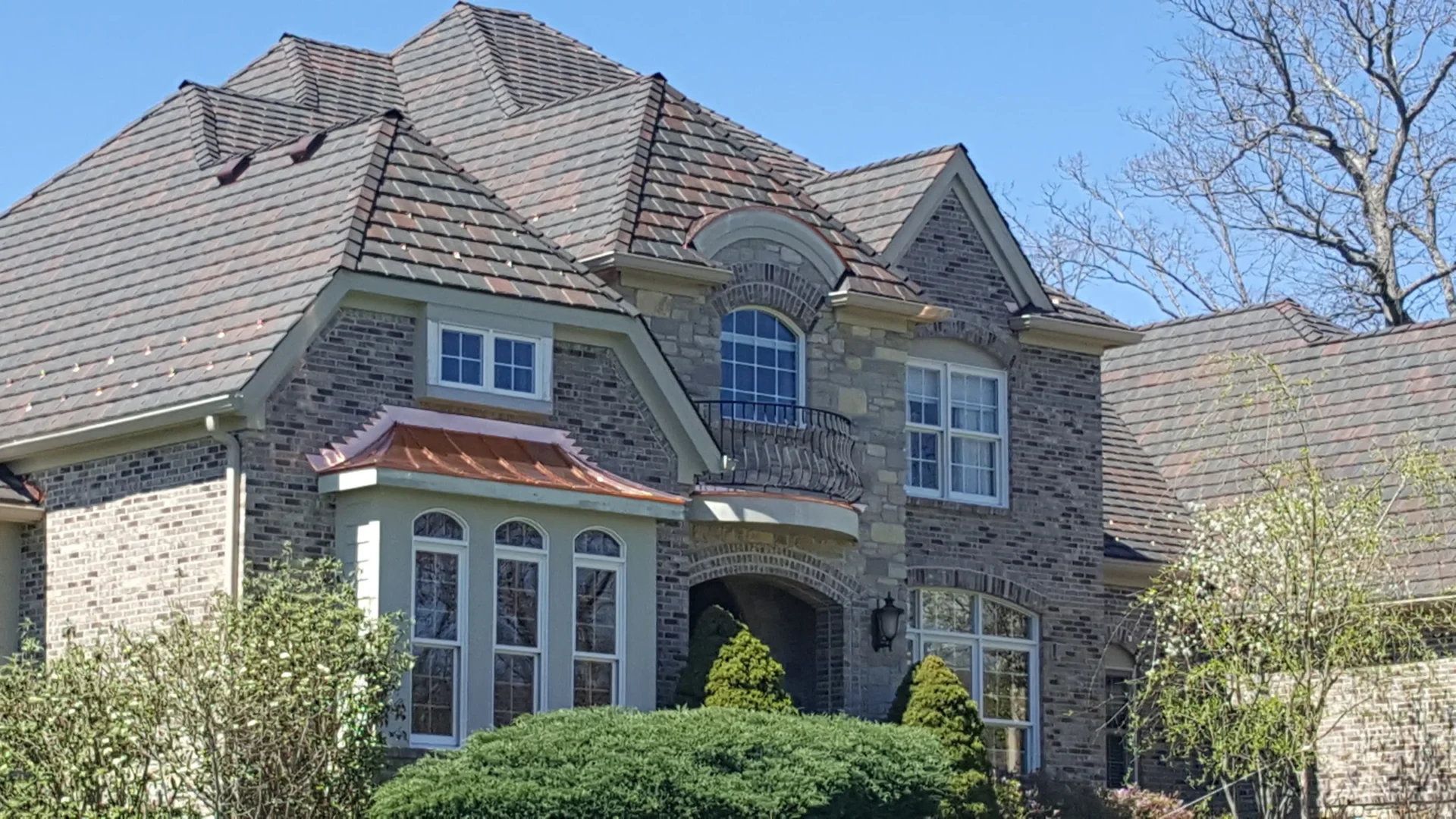
Slate roofing has stood the test of time for centuries. From historic estates to modern luxury homes, slate roofs are known for their natural beauty, exceptional durability, and long lifespan. When properly installed and maintained, a slate roof can last 75 to 150 years or even longer. However, like any roofing system, it requires occasional repair to maintain long-term protection.
Whether you’re handling minor repairs yourself or consulting professionals like 3jmext, understanding the proper repair process ensures your timeless structure remains secure and visually stunning for decades.
| Category of Slate Roof | Minor Repair | Moderate Repair | Major Repair | Full Replacement |
| Scope of Work | 1–5 slate tiles replaced | Multiple tiles and flashing repair | Structural decking and widespread tile repair | Complete removal and new slate installation |
| Estimated Cost Level | Low | Medium | High | Very High |
| Time Required | Few hours | 1–2 days | Several days | 1–2 weeks (depending on size) |
| Best For | Isolated cracks or slipped tiles | Localized leak or flashing issue | Aging roof with partial structural damage | Severe deterioration or nail fatigue across the entire roof |
| Long-Term Value | Extends the life of the roof | Restores waterproofing | Strengthens compromised areas | Resets lifespan (75–150+ years) |
Common Slate Roof Issues and How to Fix Them
Slate is extremely durable, but it is not indestructible. Over time, environmental exposure, aging materials, and improper installation can cause problems.
Cracked or Broken Slats
Heavy impact, hail, or foot traffic can crack slate tiles, allowing moisture to seep beneath the surface. Even small fractures can worsen due to freeze-thaw cycles.
Solution: Replace damaged slats individually with properly matched tiles and secure them using the correct tools.
Slipped Slates
Corroded or broken nails (nail fatigue) can cause slats to shift out of place, exposing the underlayment. This creates a direct path for water intrusion.
Solution: Reinstall the tile using corrosion-resistant copper or stainless steel fasteners.
Deteriorated Flashing
Flashing around chimneys, valleys, and vents often fails before the slate itself, leading to hidden leaks. Poor installation can accelerate deterioration.
Solution: Replace damaged flashing with high-quality copper or stainless steel materials.
Moss and Organic Growth
Moss traps moisture against slate tiles, increasing the risk of deterioration over time. It can also block proper water drainage.
Solution: Gently remove moss and improve ventilation and gutter drainage to prevent regrowth.
Professional roofing specialists such as 3jmext can assess whether damage is isolated or indicative of broader structural issues.
Safety Gear and Equipment for Slate Roof Repairs
Slate roofing repairs require careful handling and proper safety precautions.
Essential Safety Equipment
To reduce the risk of falls and injuries, make sure you have the following safety gear in place before stepping onto the roof:
- Roofing harness and fall protection
- Roof ladder with ridge hooks
- Non-slip rubber-soled boots
- Heavy-duty gloves
- Safety glasses
Required Tools
For effective and professional-quality slate repairs, you’ll need:
- Slate ripper
- Slate cutter
- Hammer
- Copper roofing nails
- Replacement slate tiles
- Flashing materials
Avoid performing repairs in wet or windy conditions. If the roof pitch is steep or damage is widespread, hiring professionals such as 3JM ensures safety and proper installation.
How to Repair Slate Roof Tiles
Precision is key when working with slate. Improper technique can crack the surrounding tiles.
Repairing Slate Tiles Yourself
If the damage is minor and you have proper equipment, follow these steps:
Step 1: Inspect the Roof
Begin by inspecting the roof using binoculars from the ground to identify cracked, missing, or slipped slats. Look for uneven lines, exposed nail heads, or visible gaps between tiles. Check the attic for water stains or daylight penetration to confirm potential leak areas.
Step 2: Remove the Broken Slate
Slide a slate ripper under the damaged tile to hook and cut the nail securing it. Pull downward carefully to remove the fasteners without disturbing the surrounding slats. Gently slide the broken piece out to prevent additional cracking.
Step 3: Prepare the Replacement
Cut a matching slate tile to the correct size, ensuring the thickness and color blend with the existing roof. Punch or drill nail holes in the proper position. Confirm the exposure length matches the surrounding slats for a uniform appearance.
Step 4: Install the New Slate
Slide the replacement tile into place beneath the overlapping slate above. Secure it using copper nails positioned correctly for proper hold. Make sure the tile sits flush and aligned evenly with adjacent rows.
Step 5: Cover the Nail
Place a copper bib or flashing strip over the exposed nail head to maintain waterproofing. Slide the strip under the slate above the new tile. Ensure the repair maintains the roof’s layered water-shedding system.
When to Call a Contractor
Contact a professional roofing contractor if:
- Multiple slats are damaged
- Flashing needs replacement
- Structural decking shows signs of rot
- The roof is excessively steep
- There is widespread nail fatigue
Experienced companies like 3jmext.com specialize in slate roofing techniques that preserve structural integrity and visual consistency.
How to Repair a Slate Roof Leak
Leaks often signal underlying issues that need immediate attention.
Repairing a Slate Roof Leak Yourself
Step 1: Locate the Leak
Inspect the attic for water stains and trace moisture patterns upward. Follow damp insulation, darkened wood, or mold growth to determine the likely entry point. Keep in mind that water can travel along rafters before dripping, so the visible stain may not be directly below the roof damage.
Step 2: Check Flashing
Flashing around chimneys and roof penetrations is a common source of leaks. Examine the metal for rust, cracks, separation, or lifting edges that may allow water intrusion. Pay close attention to valleys and step flashing where different roof sections meet.
Step 3: Replace Damaged Slates
Remove cracked tiles and install replacements following the proper technique. Ensure the new slate matches the size, thickness, and exposure of surrounding tiles. Secure it with corrosion-resistant nails and maintain proper overlap for waterproofing.
Step 4: Upgrade Flashing if Needed
Replace deteriorated flashing to restore waterproofing. Use durable copper or stainless steel for long-term performance. Properly seal and overlap flashing components to ensure water is directed safely away from vulnerable areas.
When to Call a Contractor for Leaks
Persistent leaks often indicate deeper problems, such as underlayment failure or structural damage. In such cases, contacting experienced slate specialists like 3jmext.com ensures a thorough diagnosis and long-lasting repair.
Pricing Comparison: Repair vs Replacement
Understanding costs helps homeowners make informed decisions.
Slate Roof Repair Costs
The cost of repairing a slate roof depends on the extent of the damage, roof accessibility, and the materials required. While slate is a premium roofing material, targeted repairs are often far more affordable than a full replacement when addressed early.
- Minor tile replacement: Cost-effective
- Flashing repairs: Moderate investment
- Structural repair: Higher cost
Slate Roof Replacement Costs
Full replacement is significantly more expensive due to:
- Premium natural slate materials
- Labor-intensive installation
- Potential structural reinforcement
If damage is localized, repair is usually the smarter financial decision. Professional inspections from providers such as 3jmext can help determine the most cost-effective option.
How to Ensure You Choose a Responsible Contractor
Choosing the right contractor protects your investment.
What to Look For
Choosing the right contractor is essential when repairing a slate roof, as this material requires specialized knowledge and precision. An experienced professional will focus on preservation, proper technique, and long-term durability rather than quick fixes.
- Proven experience with slate roofing
- Portfolio of completed projects
- Proper licensing and insurance
- Detailed written estimates
- Warranty offerings
Red Flags to Watch For
Not all roofing contractors are qualified to work with slate, and poor workmanship can cause serious long-term damage. Being aware of warning signs can help you avoid costly mistakes.
- Suggesting full replacement without inspection
- Using roofing cement as a long-term fix
- Extremely low bids
- Lack of slate-specific tools
Companies like 3JM understand the specialized craftsmanship required for slate roofing and provide tailored solutions rather than one-size-fits-all approaches.
Maintaining the Timeless Appeal and Durability of Slate Roofs
Preventive maintenance extends the life of your roof significantly.
Annual Inspections
Schedule inspections yearly and after severe weather events. Professional inspections help identify minor cracks, slipped slats, or flashing wear before they become major problems. Early detection significantly reduces long-term repair costs and extends the life of your slate roof.
Clean Gutters Regularly
Clogged gutters cause water backup and increase the risk of leaks. When gutters overflow, water can seep beneath slate tiles and damage the roof deck. Keeping gutters and downspouts clear ensures proper drainage and protects the roof’s water-shedding design.
Remove Debris
Leaves and branches trap moisture against the slate. Constant moisture exposure can weaken fasteners and encourage moss growth. Regularly clearing debris improves airflow and allows the roof to dry properly after rainfall.
Avoid Walking on Slate
Improper foot placement can crack tiles. Slate is durable but brittle, and concentrated weight can cause hidden fractures. If roof access is necessary, always use proper ladders and distribute weight carefully.
Proactive Flashing Replacement
Replace aging flashing before leaks develop. Flashing often deteriorates faster than slate tiles and is a common source of roof leaks. Upgrading to high-quality copper or stainless steel flashing ensures long-term protection and structural integrity.
Routine maintenance combined with expert support from roofing professionals such as 3jmext.com ensures your slate roof remains both functional and visually impressive.
KTM Roofing – Atlanta’s #1 Slate Roofing Contractor
When specialized expertise is required, professional slate roofing contractors deliver precision workmanship and long-term durability. Skilled contractors preserve the architectural elegance of slate while reinforcing structural integrity.
Professional services typically include:
- Detailed inspections
- Matching slate sourcing
- Flashing replacement
- Leak detection
- Preventive maintenance plans
For homeowners seeking reliable slate repair and maintenance solutions, consulting experienced specialists like 3jmext.com provides peace of mind and professional craftsmanship.
If your slate roof shows signs of damage or you need expert advice, the professionals at 3jmext are here to help. From detailed inspections to precision repairs and flashing upgrades, their team ensures long-lasting protection for your home. Call (630) 985-6494 or fill out our contact form today to schedule a consultation and keep your timeless slate roof in top condition.
Final Thoughts
Repairing a slate roof requires precision, patience, and a clear understanding of how this timeless roofing system functions. From identifying cracked or slipped slats to addressing flashing failures and preventing moss buildup, every step plays a role in protecting your home from long-term structural damage. While minor repairs can often be handled with the right tools and safety precautions, more complex issues demand the expertise of experienced professionals.
By investing in regular inspections, proactive maintenance, and skilled workmanship from specialists like 3jmext, homeowners can preserve the strength, beauty, and longevity of their slate roof for generations. A properly maintained slate roof is more than protection it is a lasting architectural legacy.
FAQs
Which two techniques work well for slate repairs?
Although some people may find copper hooks more aesthetically pleasing, stainless hooks are stronger and will function better on harder decking. The nail and bib method is another way to secure new slats.
Can I fix a slate roof on my own?
Although a “do it yourself” repair is feasible, it is advised to hire a skilled roofer when the intricacy of the task, the requirement for particular equipment and supplies, and the prospective hazards become clear. Experts guarantee a secure and efficient slate roof repair.
How is a slate roof verge finished?
For brickwork, one batten should be attached parallel to the verge. For brickwork, the margin should be completed in alternating courses of full and half slates.
How long does a slate roof last?
remarkable longevity, frequently 75–100+ years. classic, upscale look that elevates luxury and historic homes.
How can vinegar affect slate?
Vinegar and acidic cleaning solutions should never be applied to slate or any other natural stone since they will erode the stone’s surface, cause etching, and diminish the professional polish.