Hiring a roofing contractor is a major decision. Your roof protects your home, your family, and your long-term investment. While most homeowners remember to ask about price, timeline, and materials, there are many lesser-known but critical questions that often go overlooked.
Whether you are comparing multiple contractors or considering experienced professionals like 3jmext, asking the right questions before signing a contract can save you from costly mistakes, delays, and long-term frustration. This comprehensive Q&A guide combines essential reference-checking questions with smart, lesser-known inquiries to help you confidently choose the right roofer.
| Category | Key Questions to Ask | Why It Matters | What a Professional Should Provide |
| Project Supervision | Who will manage the jobsite? How will communication work? | Ensures accountability and smooth workflow | Dedicated project manager and clear communication plan |
| Property Protection | How will you protect landscaping and property? | Prevents damage during roof replacement | Tarps, protective coverings, and magnetic nail sweeps |
| Weather Contingency | What happens if storms delay the project? | Protects your home during interruptions | Clear backup plan and temporary roof protection |
| Budget Transparency | Will the project stay within the estimate? | Avoids surprise costs | Detailed written estimate and change order process |
| References | Were previous customers satisfied? | Verifies workmanship quality | Strong testimonials and repeat customers |
| Cleanup Procedures | How is debris handled? | Prevents property damage and safety hazards | Daily cleanup and final inspection |
| Permits & Compliance | Who handles permits and inspections? | Ensures legal compliance | Proper permitting and inspection coordination |
| Warranty Coverage | What warranties are included? | Protects long-term investment | Manufacturer and workmanship warranties |
| Licensing & Insurance | Are you fully licensed and insured? | Protects the homeowner from liability | Proof of insurance and credentials |
| Years in Business | How long have you operated? | Indicates experience and stability | Established track record |
Why Asking the Right Questions Matters
A roofing project is not just about shingles and nails. It involves skilled labor, project management, safety standards, warranties, and long-term service. The right contractor will welcome detailed questions. In fact, transparency is usually a sign of professionalism.
Reputable roofing companies such as 3JM understand that informed homeowners make better decisions and often encourage thorough discussions before work begins.
By asking both common and lesser-known questions, you gain insight into:
- Work quality
- Communication practices
- Financial transparency
- Jobsite safety standards
- Long-term reliability
Let’s begin with three lesser-known questions that many homeowners forget to ask.
3 Lesser-Known Questions to Ask a Prospective Roofer
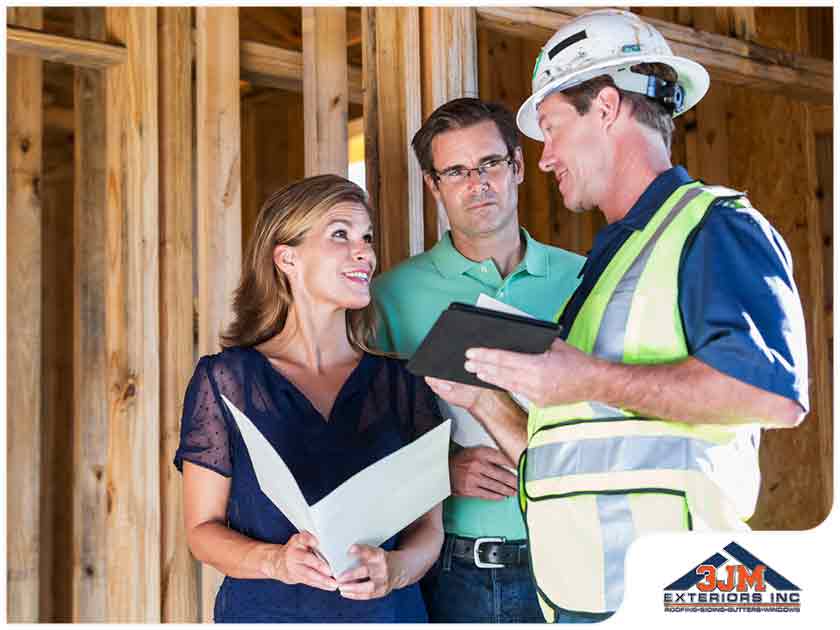
Who Will Be on the Jobsite and Will You Communicate With Them?
Many homeowners assume the person providing the estimate will supervise the project. That is not always the case.
Why this matters:
You need clarity about who manages daily operations, who supervises workers, and who you contact with concerns.
Ask:
- Will you personally oversee the project?
- Is there a dedicated project manager?
- How often will I receive updates?
Professional contractors like 3jmext.com typically assign a project manager to ensure smooth communication and accountability from start to finish.
How Will You Protect My Landscaping and Property?
Roof replacements generate debris, including nails, shingles, and wood materials that can fall around your home during installation. Without proper protection measures, landscaping, driveways, siding, outdoor furniture, and even HVAC units may be damaged.
That’s why it’s important to ask your roofer whether they use tarps to protect plants, how they collect stray nails, and if they cover sensitive areas like pools or air conditioning systems. Experienced roofing teams, including those at 3jmext, implement protective coverings, structured cleanup procedures, and magnetic nail sweeps to ensure your property remains safe and undamaged throughout the project.
What Happens If Storms or Weather Delay the Project?
Weather interruptions are common in roofing projects.
Why this matters:
You need to understand how your home will be protected during unexpected rain or delays.
Ask:
- How do you secure the roof overnight?
- What protection is used if storms arise mid-project?
- Will weather delays impact the contract price?
Prepared roofing professionals will clearly explain contingency plans and protection procedures.
11 Questions to Ask Roofer References
Checking references is one of the most powerful evaluation tools available to homeowners. Instead of asking general questions, dig deeper.
1. Were You SatisfiedWiththe Overall Work?
Start broad to understand the homeowner’s overall experience.
Follow up with:
- What stood out positively?
- Were there any disappointments?
Consistent satisfaction is a strong indicator of professionalism.
2. Was the Project Completed on Time?
Delays can create stress and inconvenience.
Ask:
- Did they start when promised?
- Were delays communicated clearly?
- How were issues handled?
Reliable contractors, including companies like 3jmext.com, prioritize transparency in timelines.
3. Did They Stay Within Budget?
Unexpected cost increases can be alarming.
Ask:
- Were additional charges explained?
- Did the final invoice match the estimate?
Transparency in pricing reflects integrity.
4. Was the Site Left Clean After the Project?
Roofing debris can damage property if not handled properly.
Ask:
- Was the cleanup done daily?
- Were nails removed thoroughly?
Clean worksites show attention to detail.
5. Were There Any Unforeseen Issues?
Roof replacements may uncover hidden damage.
Ask:
- How were problems handled?
- Were solutions explained clearly?
Strong problem-solving skills distinguish experienced contractors.
6. Did the Roofing Contractor Communicate Well?
Clear communication prevents confusion and delays.
Ask:
- Were calls returned promptly?
- Did you feel informed throughout?
Professional roofers like 3jmext.com maintain consistent communication from estimate to completion.
7. Did They Follow Manufacturer Specifications?
Improper installation can void warranties.
Ask:
- Were installation guidelines followed?
- Were manufacturer requirements explained?
This protects your long-term investment.
8. Would You Hire Them Again?
This question reveals genuine satisfaction.
A confident “yes” speaks volumes about quality and service.
9. Were There Any Warranty or Follow-Up Issues?
Post-project service is just as important as installation.
Ask:
- Did warranty issues arise?
- Was the contractor responsive?
Long-term support demonstrates accountability.
10. How Did They Treat Your Property?
Respect for your home reflects company values.
Ask:
- Were workers professional?
- Was landscaping protected?
Professional companies prioritize property care.
11. Were You Aware of Any Permitting or Inspection Processes?
Permits guarantee adherence to regional building regulations.
Ask:
- Did the contractor handle permits?
- Were inspections scheduled?
Licensed professionals like 3jmext.com typically manage permits and inspections to ensure compliance.
Bonus: Questions You Shouldn’t Forget to Ask
Are You Licensed and Insured?
Always verify that the contractor carries both liability insurance and workers’ compensation coverage to protect you from potential financial responsibility in case of accidents or property damage.
Can You Provide a Written Contract?
Never rely on verbal agreements; a detailed written contract should clearly outline the scope of work, materials, costs, timelines, and payment terms.
What Type of Warranty Do You Offer?
Make sure you understand both the manufacturer’s material warranty and the contractor’s workmanship warranty to ensure long-term protection.
How Long Have You Been in Business?
A company’s years in operation often reflect stability, experience, and a proven track record in the roofing industry.
How to Evaluate the Answers
When reviewing a contractor’s responses, pay close attention to whether they provide clear documentation, confident and detailed explanations, and transparency about any limitations or potential challenges. A trustworthy roofer should be willing to offer proof of licensing, insurance, warranties, and past work without hesitation.
If a contractor avoids direct questions, gives vague answers, or pressures you to sign quickly, those are warning signs that deserve caution. Reputable companies like 3jmext welcome detailed discussions, encourage informed decisions, and readily provide documentation upon request to ensure homeowner confidence.
Red Flags to Watch For
Be cautious if a contractor refuses to provide references, cannot show proof of insurance, pushes for immediate payment, offers unusually low bids, or avoids providing a written contract. These warning signs may indicate a lack of professionalism or accountability.
While a low price may seem appealing, choosing the cheapest bid often leads to poor workmanship, costly repairs, and greater expenses in the long run.
Why Lesser-Known Questions Matter?
Most homeowners focus heavily on price. However, roofing quality depends on planning, communication, protection measures, and long-term support.
The lesser-known questions help uncover:
- Project management structure
- Safety procedures
- Property protection standards
- Weather contingency plans
- Post-installation service reliability
These details determine whether your roofing experience is smooth or stressful.
The eight main components of a roof are roof decking, underlayment, drip edge, flashing, shingles, vents, gutters, and the roof structure. Together, they provide support, protection, ventilation, and proper drainage. For expert roofing services, contact 3jmext.com at (630) 985-6494 or fill out our contact form.
Final Thoughts
Choosing the right roofing contractor requires more than comparing estimates it demands thoughtful evaluation, detailed questioning, and careful review of references. By asking both common and lesser-known questions, you gain valuable insight into a contractor’s professionalism, communication style, safety standards, and long-term reliability.
Taking the time to understand how a roofer manages projects, protects your property, and honors warranties can prevent costly issues down the road. Trusted professionals like 3jmext welcome informed homeowners and prioritize transparency, accountability, and quality workmanship.
Ultimately, the right questions today lead to a durable, properly installed roof that protects your home and investment for decades to come.
FAQs
What are a roof’s five functional requirements?
The five functional requirements of a roof are weather protection, effective water drainage, structural support, insulation for energy efficiency, and long-term durability. A properly designed roof shields the home from rain, wind, and extreme temperatures while directing water away to prevent leaks. It must also withstand environmental loads such as snow and wind, maintain indoor comfort through insulation, and withstand environmental wear for lasting performance.
What questions should one ask when purchasing a new roof?
When getting a new roof, ask important questions such as, “Are you licensed and insured?” Which materials would you suggest, and why? What warranties are included for materials and workmanship? How long will the project take? How will you protect my property during installation? Can you provide references from recent customers? These questions help ensure quality work, clear communication, and long-term protection for your home.
What is the biggest problem roofers face?
The biggest problem roofers face is unpredictable weather, which can delay projects and create safety risks. Labor shortages and jobsite safety challenges are also major concerns.
What are the three kinds of roofing?
Each of the three popular roof types, Gable (triangular, typical), Hip (slopes on all sides), and Flat (contemporary, gently sloping for drainage), offers unique aesthetic and practical advantages for wind resistance, drainage, and usable space.
What are the 8 components of a roof?
The eight main components of a roof are: roof decking (sheathing), underlayment, drip edge, flashing, shingles or roofing material, vents, gutters, and the roof structure (rafters or trusses). Together, these parts provide support, weather protection, ventilation, and proper water drainage.