Your roof is one of the most critical components of your home, acting as the first line of defense against weather, moisture, and environmental damage. Over time, even the most durable roofing systems begin to show signs of wear. When that happens, homeowners face an important decision: should they repair their roof or replace it entirely?
Understanding the difference between roof replacement vs. repair and knowing when each is appropriate can save you thousands of dollars, extend the life of your home, and prevent costly structural damage. With guidance from experienced professionals like 3jmext.com, homeowners can make confident, informed decisions based on their roof’s condition and long-term needs.
Understanding Roof Repair
Roof repair focuses on fixing specific problem areas rather than addressing the entire roofing system. It is typically the most cost-effective option when damage is limited or caught early.
Common Roof Repairs
Roof repairs often include:
- Replacing missing or damaged shingles
- Fixing small leaks or flashing issues
- Repairing minor storm damage
- Sealing cracks or gaps
- Replacing sections of underlayment
These targeted fixes restore functionality without requiring a full overhaul. Professional contractors such as 3jmext ensure these repairs are completed correctly to prevent recurring issues.
When Roof Repair Makes Sense
Roof repair is usually the best choice when:
- The damage is localized
- The roof is relatively new (under 10–15 years old)
- There are only minor leaks or wear
- The structure of the roof is still sound
In these cases, repairs can extend the lifespan of your roof without the expense of a full replacement.
Understanding Roof Replacement
Roof replacement involves removing the existing roofing materials and installing an entirely new roofing system. This includes shingles, underlayment, flashing, and sometimes the roof deck.
What Roof Replacement Includes
A full roof replacement involves several essential steps to ensure long-term durability and performance. The process begins with removing old shingles and existing roofing materials to expose the underlying structure. Once exposed, the roof deck is carefully inspected and repaired if any damage, rot, or weak areas are found.
Next, new underlayment and waterproof barriers are installed to provide an added layer of protection against moisture. Flashing is then placed around critical areas such as chimneys, vents, and valleys to prevent leaks, while proper ventilation systems are added to regulate airflow and temperature. Finally, new shingles or roofing materials are installed with precision to complete the system.
This comprehensive approach ensures the entire roof is structurally sound and meets modern performance standards. Companies like 3jmext.com follow a structured and professional process to deliver durability, weather resistance, and long-term reliability.
When Roof Replacement Is Necessary
Roof replacement becomes the better option when the existing roofing system has reached the end of its lifespan or is experiencing significant issues. For example, if your roof is 20–30 years old, it is likely nearing the point where repairs are no longer effective.
Widespread damage, recurring leaks, or a compromised roof deck are also strong indicators that a full replacement is needed. Additionally, if you find yourself repeatedly paying for repairs, the costs can quickly add up without providing a lasting solution.
In these situations, replacing the roof offers a more reliable and cost-effective long-term investment. It not only restores structural integrity but also provides peace of mind, knowing your home is fully protected against future damage.
Key Differences Between Roof Repair and Replacement
| Factor | Roof Repair | Roof Replacement |
| Cost | Lower upfront cost | Higher initial investment |
| Scope | Fixes specific areas | Replaces entire system |
| Lifespan Impact | Short-term extension | Long-term solution |
| Time Required | Usually 1 day | Several days |
| Structural Improvement | Limited | Comprehensive |
| Energy Efficiency | Minimal improvement | Significant upgrade |
Understanding these differences helps homeowners choose the right solution based on their needs and budget.
Cost Considerations
Roof Repair Costs
Roof repairs are generally more affordable because they involve less labor and fewer materials. Costs vary depending on the extent of damage but are typically manageable for most homeowners.
Roof Replacement Costs
Roof replacement requires a larger upfront investment due to:
- Material costs
- Labor
- Removal and disposal of old roofing
- Structural repairs if needed
However, while the initial cost is higher, replacement often provides better long-term value by reducing future repair expenses, especially when completed by trusted professionals like 3jmext.com.
Signs You Need Roof Repair
Recognizing early warning signs can help you address issues before they escalate.
Look for:
- Missing or curling shingles
- Minor leaks or water stains
- Damaged flashing
- Small areas of granule loss
- Moss or algae growth
If caught early, these issues can often be resolved with simple repairs.
Signs You Need Roof Replacement
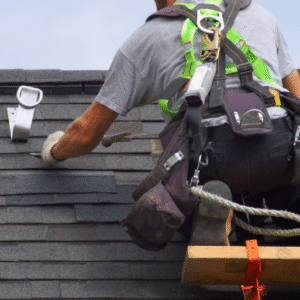
Some issues clearly indicate that repairs are no longer enough, and a full roof replacement may be necessary. Warning signs include widespread shingle damage, sagging rooflines, and multiple leaks occurring in different areas of the home.
You may also notice mold or rot in the attic, which indicates moisture problems that could affect the roof’s structure. Additionally, if your roof is more than 20–30 years old, it is likely nearing the end of its lifespan. These signs suggest that the entire roofing system may be failing and that replacement is the most reliable long-term solution.
The Role of Roof Age
Roof age plays a major role in determining whether to repair or replace.
- 0–10 years: Repairs are usually sufficient
- 10–20 years: Repairs may work, but evaluate carefully
- 20+ years: Replacement is often the best option
Older roofs are more prone to recurring issues, making replacement a smarter long-term investment.
Energy Efficiency and Performance
One of the biggest advantages of roof replacement is improved energy efficiency. Modern roofing systems are designed with better insulation, improved ventilation, and reflective materials that help reduce heat absorption. These upgrades can significantly lower energy bills while enhancing indoor comfort throughout the year.
Roofing experts at 3jmext.com help homeowners select energy-efficient systems that maximize performance and long-term savings. In contrast, roof repairs typically address surface-level issues and do not provide the same level of energy efficiency improvements.
Long-Term Value
Repair: Short-Term Savings
Repairs are ideal for quick fixes and immediate cost savings. However, they may not address underlying issues, leading to future expenses.
Replacement: Long-Term Investment
Replacement offers:
- Increased home value
- Reduced maintenance costs
- Improved durability
- Enhanced curb appeal
While more expensive upfront, it often saves money over time.
Weather and Environmental Factors
Climate plays a significant role in roofing decisions.
In areas with:
- Heavy rainfall
- Snow and ice
- High winds
- Extreme heat
Roofs experience more wear and tear. In such environments, replacement may be necessary sooner than expected.
The Importance of Professional Inspection
Before deciding between roof repair and replacement, a professional inspection is essential. Experienced contractors carefully evaluate the roof’s structural integrity, the extent of visible and hidden damage, ventilation systems, and any moisture-related issues that could affect long-term performance.
Companies like 3jmext.com provide detailed assessments and expert recommendations, helping homeowners choose the most cost-effective and reliable solution for their specific situation.
Common Mistakes to Avoid
Homeowners often make costly errors when dealing with roofing issues.
Delaying Repairs
Ignoring small problems can lead to major damage and higher costs. What starts as a minor leak or a few missing shingles can quickly escalate into structural issues, mold growth, or interior damage. Addressing problems early helps prevent expensive repairs and extends the life of your roof.
Choosing the Cheapest Option
Low-cost repairs may not address the root problem, leading to repeated issues. Poor-quality materials or shortcuts in workmanship can result in frequent breakdowns and higher long-term expenses. Investing in quality solutions ensures durability and better overall value.
Ignoring Professional Advice
DIY or unqualified work can compromise the entire roofing system. Without proper knowledge, critical issues like ventilation, flashing, and sealing may be overlooked. Working with experts like 3jmext.com helps avoid these risks and ensures your roof is installed or repaired correctly.
Roof Repair vs Replacement: Real-Life Scenarios
Scenario 1: Minor Storm Damage
A few missing shingles after a storm can usually be repaired quickly and affordably.
Scenario 2: Aging Roof with Multiple Leaks
If your roof is over 20 years old and leaking in multiple areas, replacement is likely the better option.
Scenario 3: Selling Your Home
A new roof can increase property value and attract buyers, making replacement a smart investment.
Materials Matter
The type of roofing material affects both repair and replacement decisions.
Asphalt Shingles
- Affordable
- Easy to repair
- Moderate lifespan
Metal Roofing
- Durable
- Energy-efficient
- Higher upfront cost
Tile and Slate
- Long-lasting
- Premium appearance
- Complex repairs
Choosing the right material impacts long-term performance and cost, and professionals like 3jmext.com can help guide material selection.
Maintenance Tips to Extend Roof Life
Regardless of whether you repair or replace your roof, proper maintenance is essential to ensure long-term performance. Homeowners should schedule annual inspections to identify potential issues early, clean gutters regularly to prevent water buildup, and remove debris that can trap moisture.
It’s also important to check for signs of damage after storms and address minor problems promptly before they worsen. With consistent care and attention, regular maintenance can significantly extend the lifespan of your roof.
Why Professional Installation Matters
Even the best materials will fail if not installed correctly.
Professional contractors ensure:
- Proper sealing and flashing
- Correct ventilation
- Compliance with building codes
- Manufacturer warranty protection
Working with experienced professionals like 3JM Exterior ensures your roof performs reliably for years.
Making the Right Decision
Choosing between roof repair and replacement depends on several factors:
- Roof age
- Extent of damage
- Budget
- Long-term goals
A balanced approach considers both immediate costs and future value. Consulting with 3jmext can help you make the most informed choice.
If you’re unsure whether your roof needs repair or replacement, professional guidance can make all the difference. The experienced team at 3jmext.com offers thorough inspections, honest recommendations, and high-quality workmanship tailored to your home’s needs.
Call (630) 985-6494 or fill out our contact form to schedule your consultation and ensure your roof remains strong, secure, and built to last.
Final Thoughts
Deciding between roof replacement vs. repair is a critical choice that impacts your home’s safety, efficiency, and value. While repairs are ideal for minor issues and short-term savings, replacement offers a comprehensive solution for aging or severely damaged roofs.
By understanding the signs, evaluating costs, and consulting with professionals like 3jmext.com, homeowners can make informed decisions that protect their investment. Whether you choose repair or replacement, the key is to act early, prioritize quality, and focus on long-term performance.
A well-maintained roof doesn’t just protect your home; it provides peace of mind for years to come.
FAQs
Is it better to patch a roof or replace it?
It depends on the condition of your roof. Patching is better for minor, localized damage and newer roofs, while replacement is the better option for older roofs, widespread issues, or recurring leaks to ensure long-term durability.
What questions should I ask when replacing a roof?
Ask about material options, total cost, and timeline, warranties, ventilation, permits, and the contractor’s experience and insurance coverage.
What is the biggest problem roofers face?
One of the biggest problems roofers face is weather, as rain, heat, and strong winds can delay work, compromise safety, and affect installation quality.
What are the 5 functional requirements of a roof?
The five functional requirements of a roof are weather protection, structural support, water drainage, insulation (thermal efficiency), and proper ventilation.
What is the most costly aspect of roof replacement?
The roofing material itself is usually the most costly component of any roof replacement. While high-end materials like slate, metal, and clay tiles can quickly raise the cost, asphalt shingles are frequently the most economical.