
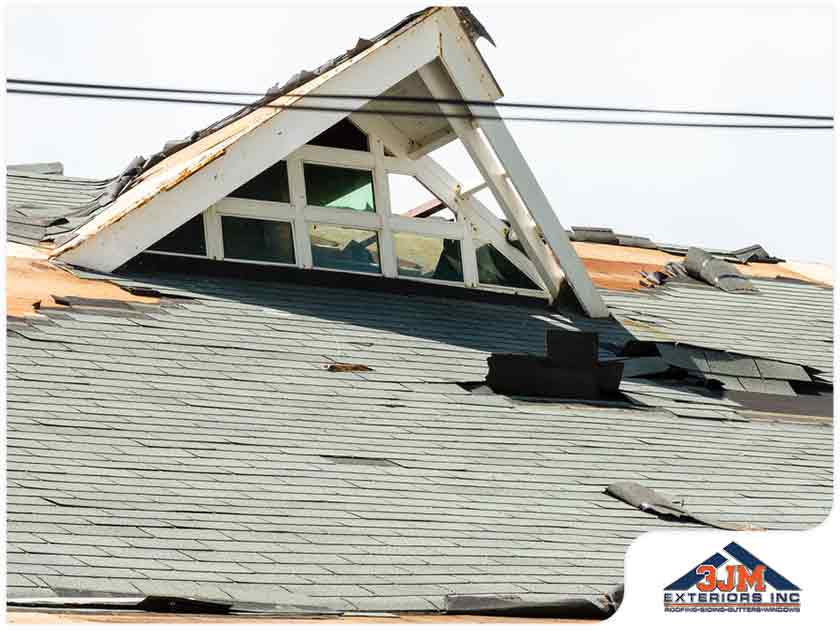
Strong storms and high winds can cause obvious roof destruction, such as missing shingles or fallen tree limbs. However, not all wind damage is dramatic or immediately visible. In many cases, wind-related roof damage begins subtly, loosening materials, weakening seals, and creating small vulnerabilities that worsen over time.
Understanding the subtle signs of roof wind damage can help homeowners prevent costly repairs, interior water intrusion, and long-term structural issues. Working with experienced roofing professionals like 3jmext ensures that even minor damage is properly identified and addressed before it escalates.
| Inspection Focus | Why It Matters for Roof Wind Damage | Risk If Ignored | Professional Solution |
| Lifted or Missing Shingles | Common early indicator of Roof Wind Damage | Interior leaks and structural rot | Secure or replace damaged shingles. |
| Flashing & Seal Checks | Prevents water entry after Roof Wind Damage | Hidden moisture intrusion | Reseal or replace flashing components. |
| Granule Loss | Signals surface wear caused by Roof Wind Damage | Premature shingle deterioration | Evaluate for repair or replacement. |
| Attic Inspection | Detects the interior impact of Roof Wind Damage | Mold growth and insulation damage | Professional moisture assessment |
| Post-Storm Evaluation | Identifies subtle Roof Wind Damage early | Expensive structural repairs | Full inspection by 3jmext.com |
Recognizing Wind Damage on Your Roof
Wind damage doesn’t always leave large holes or missing sections. Often, it begins with lifted shingles, loosened flashing, or compromised seals. These small issues may not be noticeable from the ground but can allow moisture to seep beneath the roofing system.
Recognizing early damage is critical, as even minor wind-related issues can escalate into significant water damage if left unchecked. Scheduling a post-storm inspection with experts such as 3jmext.com can help detect subtle issues early.
How Wind Affects Roofing Materials
Wind impacts roofs in several ways:
- Uplift pressure can loosen shingles and tabs
- Gusts can tear away ridge caps
- Flying debris may cause impact damage
- Wind-driven rain can penetrate weak seals
When wind gets beneath shingle edges, it breaks the adhesive bond that holds them in place. Repeated exposure over time weakens the roof’s structural integrity. Professional roofing contractors like 3JM understand how to evaluate these stress points.
Common Signs of Wind Damage to Look For
Some signs of wind damage are easy to overlook. Keep an eye out for:
- Shingles that appear slightly lifted or misaligned
- Loose or missing ridge caps
- Bent or displaced flashing
- Exposed nail heads
- Debris accumulation in roof valleys
These subtle indicators suggest that wind has begun to compromise the protective barrier of your roof. If you notice these signs, contacting 3jmext.com for an inspection is a smart preventative step.
Missing or Lifted Shingles
Missing shingles are obvious, but partially lifted shingles are more difficult to detect. When wind loosens shingle tabs without fully removing them, the protective seal is broken.
Lifted shingles may:
- Curl upward at the edges
- Flap during future storms
- Allow water infiltration beneath the surface
Addressing these issues promptly with professional repairs from 3jmext.com can prevent interior water damage.
Cracked or Broken Shingles
High winds often carry debris that strikes the roof surface. Even small branches can cause cracks or fractures in shingles.
Cracked shingles:
- Reduce the waterproofing capability
- Expose underlayment
- Accelerate roof aging
A professional evaluation from 3jmext can determine whether spot repairs or broader restoration are necessary.
Granule Loss in Gutters
After windstorms, check your gutters for excessive granules. Shingle granules protect against UV rays and weather damage.
Signs of concern include:
- Heavy granule accumulation in downspouts
- Bald spots on shingles
- Uneven shingle texture
Granule loss weakens shingles and shortens the roof’s lifespan. Roofing specialists at 3jmext can assess whether granule loss indicates normal aging or storm-related damage.
Damaged Flashing or Ridge Caps
Flashing protects vulnerable roof areas, including chimneys, skylights, valleys, and vents. Wind can loosen or bend flashing, creating small gaps where water can enter. Subtle flashing damage often leads to slow leaks that go unnoticed until interior staining appears. Prompt repair services from 3JM ensure flashing remains watertight and secure.
Checking the Attic for Wind Damage
Not all roof damage is visible from the exterior. Inspect your attic for early warning signs:
- Damp insulation
- Water stains on rafters
- Mold growth
- Sunlight peeking through the roof boards
If any of these issues are present, schedule a professional inspection with 3jmext.com to prevent structural deterioration.
How Wind Damage Leads to Water Intrusion
Wind damage often leads to water intrusion by compromising the roof’s layered defense system. When shingles lift, flashing loosens, or seals fail, rainwater can seep beneath the surface and penetrate the underlying structure. Over time, this moisture can cause ceiling stains, mold growth, insulation damage, wood rot, and even electrical hazards.
Addressing wind damage promptly with professional assistance from 3jmext.com helps prevent minor vulnerabilities from developing into widespread interior damage.
Signs of Interior Water Damage
Interior signs may appear weeks after a storm.
Watch for:
- Brown or yellow ceiling stains
- Peeling paint or bubbling drywall
- Musty odors
- Sagging ceilings
- Warped flooring
If you notice these symptoms, immediate evaluation by professionals such as 3jmext is essential.
The Importance of Timely Roof Inspections
Early detection of roof damage significantly reduces repair costs and prevents minor issues from escalating into major structural problems. Professional inspections after severe weather events help identify subtle damage that homeowners may overlook, such as lifted shingles or compromised flashing.
Routine evaluations from 3jmext help preserve roof lifespan, protect warranty coverage, prevent interior water damage, and reduce emergency repair expenses. Proactive maintenance ultimately ensures long-term roof performance and reliability.
Insurance Considerations for Wind and Water Damage
Many homeowner insurance policies cover wind damage. However, delayed reporting may complicate claims. Contractors like 3jmext.com often assist homeowners with documentation and detailed inspection reports that support insurance claims.
When to Call a Professional for Repairs
Call a roofing specialist if:
- Multiple shingles are lifted
- Flashing appears bent or loose
- Interior water stains develop
- Roof age exceeds 15–20 years
- Storm winds exceeded 50 mph
The experienced team at 3jmext.com provides thorough inspections and reliable repair solutions to restore your roof’s integrity.
If you suspect roof wind damage or want a professional inspection after a recent storm, the experienced team at 3jmext.com is ready to help. Early detection can prevent costly interior repairs and extend your roof’s lifespan. Call (630) 985-6494 or fill out our contact form to schedule your comprehensive roof inspection today.
Final Thoughts
Subtle signs of roof wind damage often go unnoticed until water intrusion or structural issues appear. From lifted shingles and granule loss to bent flashing and attic moisture, early warning indicators require careful attention.
By scheduling routine inspections with trusted professionals like 3jmext.com, homeowners can prevent minor storm damage from turning into costly repairs. Acting quickly ensures your roof continues to protect your home effectively against future wind and weather events.
FAQs
How does wind damage appear on a roof?
Even if they haven’t completely separated, shingles may appear uneven or slightly elevated. Strong winds might reveal missing ridge caps or shingles.
How to tell if a roof is damaged?
You can tell a roof is damaged by looking for missing or lifted shingles, cracked flashing, granule buildup in gutters, water stains on ceilings, or sagging areas. Also, check the attic for moisture, mold, or daylight coming through the roof boards. If you notice any of these signs, a professional inspection is recommended.
What constitutes wind damage to a roof?
Loose or missing shingles, chimney problems, curling or peeling shingles, granule loss, damaged fascia or soffit, and inside leaks are all indicators of wind damage to a roof.
For how long can a roof leak remain undetected?
Usually, they start as tiny holes that let water soak in. It may take weeks or even months for this slow infiltration to manifest as obvious issues in your home.
Which type of roof damage is most prevalent?
Water leak damage to the ceiling, attic, or structure. Water leak damage is one of the most prevalent kinds of roof problems. They are frequently brought on by heavy rain or ice water conditions following melting.