Your home’s roofline does more than frame its appearance; it plays a critical role in protecting your structure from moisture, pests, ventilation issues, and energy loss. Two of the most overlooked yet essential components of this system are the soffit and fascia. At the same time, they might seem like simple trim pieces, but damaged or aging soffit and fascia can lead to serious structural and energy issues.
In this comprehensive guide, we’ll explain what new soffit and fascia are, why they matter, and the top 4 reasons you may need to replace them. We’ll also discuss how professional services like 3jmext can ensure the job is done right.
| Category | Key Function | Warning Signs | Risks If Ignored | Replacement Benefit |
| Soffit (Ventilated Panels) | Allows attic airflow and ventilation | Mold, condensation, peeling interior paint, and excessive attic heat | Ice dams, insulation damage, and higher energy bills | Restores airflow, improves energy efficiency |
| Fascia (Roof Edge Board) | Supports gutters and the roof edge | Sagging gutters, soft wood, peeling paint, water stains | Gutter failure, foundation damage, wood rot | Ensures proper drainage and structural support |
| Pest Protection | Seals the roofline gaps | Animal noises, visible holes, chewed panels | Insulation damage, wiring issues, contamination | Blocks entry points and secures the attic |
| Curb Appeal Impact | Creates a finished roofline appearance | Discoloration, cracking, warped boards | Reduced property value | Enhances exterior aesthetics and resale value |
| Material Selection | Determines durability and maintenance | Frequent repairs, weather damage | Shorter lifespan, repeated costs | Long-term performance and reduced maintenance |
Introduction: The Importance of Soffit & Fascia
Most homeowners focus on shingles, siding, and windows, but the components along the roof edge are equally important. Soffit and fascia work together to protect your attic, support the gutter system, improve airflow, block pests, and enhance your home’s exterior aesthetics.
When these parts are damaged or deteriorated, they compromise your entire roofing system. Replacing worn soffit and fascia through professional services, such as those provided by 3jmext, is often a proactive investment that prevents major structural problems and extends the lifespan of the home.
What Are Soffit and Fascia?
Before understanding why you might need new soffit and fascia, it’s helpful to know what they do:
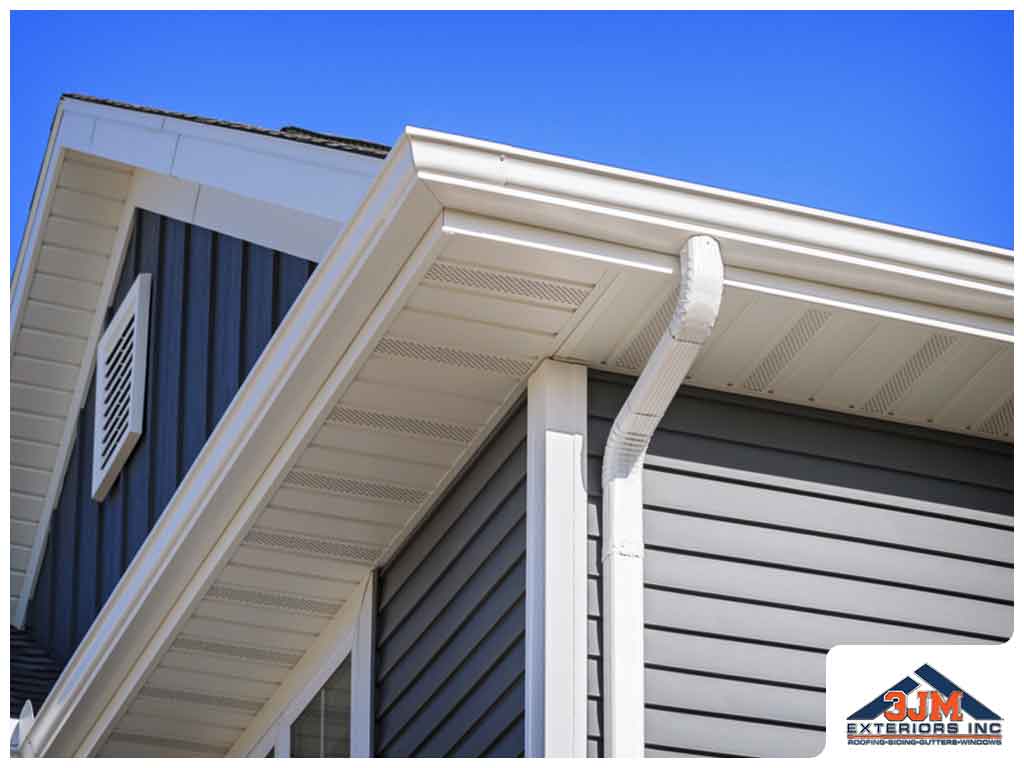
- Soffit is the material installed beneath the roof overhang, connecting the roofline to the exterior wall. Many soffits are vented to allow airflow into the attic.
- Fascia is the vertical board that runs along the roof edge. It supports the lower row of shingles and the gutter system.
Together, these components create a finished edge along your roof while protecting critical structural elements underneath.
Top 4 Reasons You Need New Soffit and Fascia
1. Poor Attic Ventilation
Soffit and Attic Ventilation
One of the most important roles of a soffit is ventilation. Vented soffit panels allow fresh air to enter the attic, promoting continuous airflow. Proper attic airflow prevents:
- Heat buildup in summer
- Moisture accumulation in winter
- Mold growth
- Ice dams
When soffit vents are blocked, damaged, or nonexistent, the attic can overheat and trap moisture. This leads to warped roof decking, compromised insulation, and increased energy costs.
Pro tip: If your home shows signs of ventilation problems, contact a professional like 3jmext.com for an inspection and replacement to protect your roof system and improve climate control.
Signs of Ventilation Problems
- Excessive attic heat
- Condensation on rafters
- Mold or mildew
- Peeling interior paint
- Ice buildup near the roof edges
Replacing old or damaged soffit with properly vented panels restores airflow and protects the roof structure.
3. Water Damage and Gutter Failure
Fascia’s Role in Water Protection
Fascia boards serve as the primary attachment point for your gutters, playing a crucial role in directing rainwater safely away from your home. If the fascia becomes rotted or weakened, gutters may detach or sag, allowing rainwater to overflow onto the siding and the foundation.
Water intrusion can lead to wood rot, foundation issues, basement leaks, siding deterioration, and structural weakening. Older wooden fascia boards are especially vulnerable when gutters clog or overflow, increasing the risk of long-term damage.
Warning Signs of Fascia Damage
Common warning signs of fascia damage include peeling paint, soft or crumbling wood, sagging gutters, and water stains near the roofline. Replacing damaged fascia ensures proper water management and helps protect your home’s exterior walls and foundation from costly structural problems.
3. Pest Infestation and Structural Gaps
Pest Prevention and Sealing Gaps
Damaged soffits create openings that allow birds, rodents, bats, and insects to enter your attic. Even small gaps can become entry points for pests, which can:
- Destroy insulation
- Chew wiring
- Leave droppings and create health hazards
Common issues include:
- Chewed or cracked soffit panels
- Missing vent screens
- Warped boards
- Visible holes near the roof edges
Installing new soffit and fascia seals vulnerable gaps and reinforces your home’s protective barrier. Professional services from 3JM ensure gaps are properly sealed and pest entry points are eliminated.
4. Decreased Curb Appeal and Property Value
Aesthetic Appeal and Home Value
Though soffit and fascia are not usually the first features people notice, damaged or deteriorated sections quickly become highly visible. Peeling paint, sagging boards, and discoloration can significantly detract from your home’s overall appearance and make the exterior look neglected.
Replacing soffit and fascia provides a clean, finished roofline that complements your siding and trim while creating a more polished look. It can also increase resale value and improve overall curb appeal. When updating your roofing or siding, replacing soffit and fascia at the same time ensures a complete, cohesive exterior upgrade.
Partnering with experienced professionals like 3jm exterior further enhances both performance and aesthetics, ensuring long-lasting protection and visual appeal.
Additional Benefits of Proper Installation
Benefits of Professional Installation
Replacing soffit and fascia isn’t just about appearance; it’s about performance. Correct installation ensures:
- Secure gutter attachment
- Proper attic airflow
- Effective weatherproofing
- Longer component lifespan
Incorrect installation can lead to air leaks, moisture issues, and structural stress. Professional installation from 3jmext.com ensures proper alignment, secure fastening, and long-term performance.
Signs of Soffit & Fascia Damage
Recognizing when soffit and fascia need replacement allows you to address problems before they escalate into costly structural issues. Key warning signs include visible rot or cracking, peeling paint, and water stains near the roof edges.
You may also notice rusting or sagging gutters, mold growth, or signs of animal activity in the attic, all of which can indicate compromised exterior protection. When multiple issues occur simultaneously, a full replacement is often more cost-effective and reliable than continuing with repeated short-term repairs.
Which Materials Work Best?
Several materials are commonly used for soffit and fascia, each with pros and cons:
Wood
Traditional and attractive, wood soffit and fascia offer a classic appearance that complements many architectural styles. They can be painted or stained in a wide range of colors, making customization easy. However, wood is more prone to moisture damage, rot, insect infestation, and warping over time, especially in humid or rainy climates.
It also requires regular maintenance, including repainting and sealing, to preserve its appearance and structural integrity. Without proper upkeep, wood components can deteriorate quickly.
Vinyl
Vinyl soffit and fascia are moisture-resistant and require minimal maintenance, making them a popular, cost-effective option. They do not need painting and are resistant to peeling, cracking, and insect damage.
Vinyl is lightweight and relatively easy to install, which can reduce labor costs. However, extreme temperature fluctuations may cause expansion or brittleness over time, and color options may be more limited compared to painted wood.
Aluminum
Aluminum is durable, lightweight, and highly corrosion-resistant, making it an excellent choice for wetter or coastal climates. It does not rot, warp, or attract insects, and it holds paint well for long-lasting color.
Aluminum components are also strong enough to securely support gutters. While more durable than vinyl, aluminum can dent under impact and may cost slightly more upfront, but its longevity often makes it a worthwhile investment.
Fiber Cement
Fiber cement soffit and fascia are extremely strong and weather-resistant, offering excellent durability against moisture, fire, and pests. They are less likely to warp or crack and can mimic the look of natural wood while requiring less maintenance.
However, fiber cement is heavier than other materials and more complex to install, often requiring professional expertise. Despite the higher installation effort, it provides long-term performance and a high-end, durable finish. Professional installers like 3jmext can help you choose the best material for your regional climate and long-term performance goals.
Climate Considerations
Different climates place unique demands on soffit and fascia:
- Humid climates: Moisture-resistant materials help prevent rot.
- Storm-prone regions: Stronger materials withstand wind and hail.
- In cold climates, proper ventilation reduces the risk of ice dams.
Matching materials and installation techniques to climate conditions ensures longer-lasting results.
Good Times to Replace Soffit and Fascia
There are ideal moments for replacement:
- During roof replacement
- When installing new gutters
- With siding upgrades
- After storm damage
- When preparing to sell your home
Coordinating soffit and fascia replacement with major exterior projects maximizes efficiency and visual impact.
Maintenance Tips for Soffit and Fascia
Routine maintenance is key to extending the lifespan of your soffit and fascia. Regularly cleaning your gutters prevents clogs that can cause water to overflow and damage these components. It’s also important to inspect for signs of water overflow, cracking, or warping, as early detection can prevent more serious structural issues.
Wooden fascia should be repainted or resealed as needed to protect against moisture and rot. Additionally, trimming overhanging tree branches helps reduce debris buildup and minimizes the risk of impact damage. Performing annual inspections ensures that minor concerns are addressed promptly before they develop into costly repairs.
When to Call a Professional
Some soffit and fascia issues require professional assessment, especially if:
- Wood rot is present
- Gutters are detached
- There are ventilation problems
- Mold is visible in the attic
- Storm damage has occurred
Professional inspection and replacement services from 3JM ensure safety, code compliance, and best-in-class performance.
For expert soffit and fascia inspection or replacement, contact 3jmext.com today. Call (630) 985-6494 or fill out our contact form to schedule your service.
Conclusion
Your new soffit and fascia may sit quietly along the edge of your roofline, but their impact on your home’s protection, efficiency, and appearance is significant. From improving attic ventilation and preventing costly water damage to blocking pest entry and enhancing curb appeal, these components play a vital structural and aesthetic role.
Ignoring early warning signs can lead to larger roofing, insulation, and foundation problems over time. By proactively replacing aging or damaged soffit and fascia, you strengthen your entire exterior system, improve energy performance, and safeguard your investment.
Whether you’re upgrading your roof, installing new gutters, or preparing your home for resale, addressing these essential elements ensures long-term durability and peace of mind. Partnering with experienced professionals like 3jmext ensures proper material selection, expert installation, and lasting results that keep your home protected and visually appealing for years to come.
FAQs
Why are fascia and soffits necessary?
Fascias and soffits carry out the following functions: protecting the roof’s perimeter from the weather, wildlife, and heat loss.
When should my fascias and soffits be replaced?
Check for soft places, sagging, or warping. Any degradation could indicate that moisture has seeped into the fascia or soffit.
Why are soffits required?
The two main purposes are to shield the rafters from the weather and to ventilate the attic or roof area.
What are two typical issues with fascia and soffits?
Two of the most common problems affecting your fascia and soffits are water damage and insect infestations. You can shield your house from costly repairs and ensure its long-term durability by addressing these issues as soon as possible and making regular maintenance investments.
Why are soffits installed?
Soffits are essential for controlling airflow. By allowing fresh air to flow beneath the eaves, soffit ventilation helps to avoid moisture accumulation.