
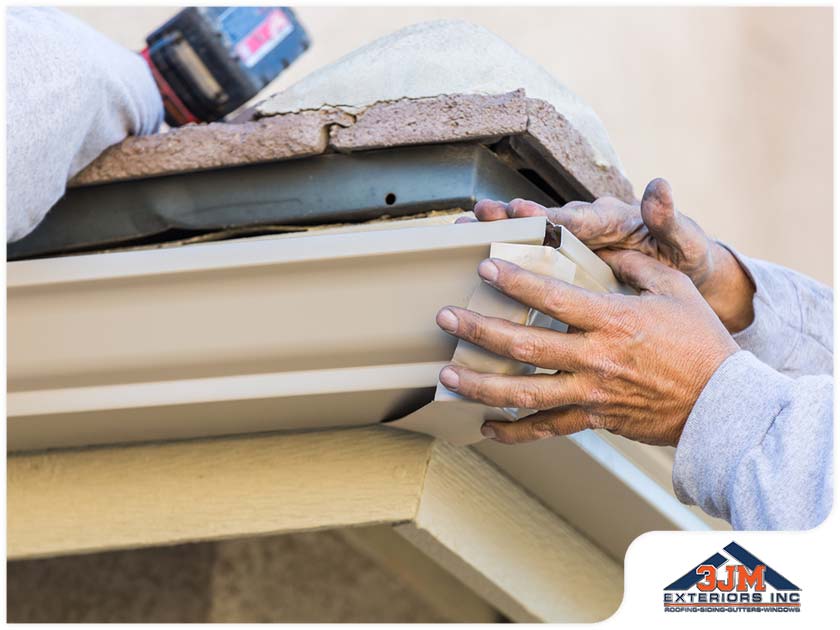
A properly designed and installed gutter system is one of the most important and often overlooked components of your home’s exterior. While shingles protect your roof from above, gutters manage the water that flows off it. Without a reliable system in place, rainwater can damage siding, erode landscaping, weaken foundations, and even lead to basement flooding.
A good, reliable gutter system does more than simply catch rain. It controls water flow, protects structural elements, enhances curb appeal, and reduces long-term maintenance costs. In this comprehensive guide, we’ll explore what truly makes a gutter system dependable, including installation best practices, material choices, sizing considerations, maintenance requirements, and modern innovations that professionals like 3jmext.com use to guarantee performance.
| Component | Purpose | Signs of Failure | Risk if Ignored | Reliability Upgrade |
| Gutter System | Collect roof runoff | Overflowing water, visible cracks | Foundation damage, siding stains | Proper sizing & seamless fabrication |
| Downspouts | Direct water away from the home | Water is pooling near the foundation | Basement leaks, soil erosion | Oversized downspouts & extensions |
| Hangers & Brackets | Secure gutters to the fascia | Sagging sections, loose hardware | Gutter detachment | Heavy-duty hidden hangers |
| Seams & Joints | Connect gutter sections | Leaks at connection points | Water infiltration | Seamless system installation |
| Gutter Guards | Prevent debris buildup | Frequent clogging | Overflow & ice dams | Micro-mesh guard integration |
| Drainage Extensions | Move water away from the structure | Standing water near the base | Foundation cracking | Underground drainage or splash blocks |
Understanding the Basics of Gutter Systems
Before evaluating reliability, it’s important to understand how a gutter system functions.
A typical system includes:
- Gutters – horizontal channels that capture rainwater
- Downspouts – vertical pipes that route water downward
- Hangers and brackets – support hardware that prevents sagging
- Connectors and end caps – secure joints and corners
- Drainage extensions or splash blocks – direct water away from the foundation
What Are Gutters and Why Are They Important?
Gutters collect rainwater runoff from your roof and channel it safely away from your home’s foundation. Without a properly functioning gutter system, water can pool near the foundation, leading to structural weakening and costly repairs.
Excess runoff may also cause soil erosion, basement leaks or flooding, staining on siding and brick, and damage to landscape beds. A reliable gutter system captures and directs rainwater away from the home, providing year-round protection against moisture-related problems.
Professionals at 3jmext.com emphasize that even small design and placement decisions can significantly impact how effectively a gutter system performs over time.
A Comprehensive Guide to Gutter Installation Best Practices
Even the highest-quality materials will fail if installed improperly. Following industry best practices ensures long-term performance and reliability.
Choosing the Right Materials
Material choice affects durability, maintenance, and price. A dependable system starts with selecting a material suited to the local climate and performance needs.
Common choices include:
- Aluminu
- Vinyl
- Steel
- Copper
3jmext consultants help homeowners choose materials based on climate, roof size, and long-term performance goals.
Proper Sizing and Placement
One of the most common installation issues is incorrectly sized gutters. Gutters must be large enough to handle water from your roof, especially during heavy rain.
Typical sizes:
- 5-inch K-style – suitable for most homes
- 6-inch K-style – recommended for larger roofs or heavy rainfall
- Half-round profiles – traditional look, slightly different flow characteristics
Proper placement just below the roof edge is also critical. If the gutter is too low or too high, water can overflow the channel during heavy downpours.
Ensuring Correct Slope
Gutters must slope toward downspouts to facilitate continuous flow.
Recommended slope:
- ¼ inch drop for every 10 feet of gutter
Without proper pitch:
- Water will pool
- Debris buildup accelerates
- Hangers strain or fail
- Rust and corrosion increase
Standing water is one of the primary causes of failure, which is why experts at 3jmext.com measure slope meticulously during installation.
Secure Attachment
Quality gutters rely on strong hangers spaced correctly. Modern hidden hangers enhance appearance and performance when installed every:
- 24–36 inches
In areas with snow or ice, hangers should be spaced closer to provide extra support.
Weak attachment contributes to sagging sections and early system failure.
Installing Downspouts Correctly
Downspouts must efficiently route water from the gutter to the ground and away from the foundation.
Best practices include:
- Installing downspouts every 30–40 feet
- Using elbows or extensions to discharge water away from the house
- Tying into underground drainage when needed
Proper discharge prevents the very problems gutters are meant to stop.
Implementing Gutter Guards
Gutter guards help reduce debris buildup, such as leaves, needles, and twigs, which improves performance and saves maintenance time.
Types of guards:
- Mesh screens
- Micro-mesh systems
- Reverse-curve covers
- Foam inserts
High-quality guards like those installed by 3jmext reduce clogging and maximize flow efficiency.
Regular Maintenance and Inspection
Even a well-installed system needs routine care:
- Clear debris at least twice per year
- Inspect slope and hangers
- Check for leaks at seams
- Test water flow toward downspouts
Consistent maintenance extends lifespan and prevents common failures.
Types of Gutter Systems
Choosing the right system type can also improve reliability.
Sectional Gutters
Sectional gutters are installed using pre-cut pieces that are joined together at seams along the roofline. They are generally more DIY-friendly and easier for homeowners to install.
However, because they rely on multiple seams and connectors, they have a higher potential for leaks over time, especially as sealants age or shift with temperature changes.
Seamless Gutters
Seamless gutters are custom-made on-site to fit your home’s exact measurements, resulting in a continuous run with far fewer seams. Fewer seams mean fewer potential leak points, which significantly improves long-term performance and durability.
Professionals like 3jmext.com typically install these systems to ensure precise fitting and proper slope. Due to their reduced leak risk and cleaner appearance, seamless gutters are widely considered the more reliable option for most homeowners.
Factors to Consider When Choosing a Gutter System
Several critical factors impact how well your system will perform.
Material Types
Aluminum
- Rust-resistant
- Durable
- Lightweight
- Low maintenance
- Cost-effective
A popular choice for most climates.
Vinyl
- Rustproof
- Easy to install
- Budget-friendly
- May become brittle in extreme cold
Works best in moderate climates.
Steel
- Strong and tough
- Good for snow and ice
- Can rust if the coating wears
Galvanized or coated steel improves performance.
Copper
- Premium and long-lasting
- Develops natural patina
- Higher investment
Great for homes where both performance and aesthetics matter.
Shapes and Sizes
The shape and size of a gutter system directly influence both its water-handling capacity and its overall appearance. K-style gutters are the most common choice for residential homes because they offer a modern look and high water capacity.
Half-round gutters provide a more classic, traditional appearance and allow smooth water flow, making them popular for historic or upscale homes. Box gutters are typically used in commercial applications due to their larger capacity and structural integration. For optimal performance, a reliable gutter system should be properly sized to match the roof’s surface area and the region’s rainfall intensity.
Color and Aesthetics
While performance is essential, aesthetics also play an important role in selecting a gutter system. Gutters are often coordinated with the roof color, trim, and fascia, and siding finish to create a cohesive exterior look. Modern factory-applied finishes help resist fading, peeling, and corrosion, ensuring gutters maintain both appearance and durability over time.
Installation and Maintenance
DIY vs. Professional Installation
While DIY may seem cost-effective, professional installation from companies like 3jmext ensures:
- Correct slope and alignment
- Secure hardware placement
- Code compliance
- Proper sealing and insulation
Improper installation is a leading cause of premature gutter failure.
Maintenance Tips for Your Gutter System
To keep your system reliable:
- Clean debris from gutters regularly
- Inspect after storms
- Check for loose hangers
- Seal minor leaks promptly
- Trim nearby tree branches
Routine care prevents expensive repairs and preserves system function.
Advanced Gutter Technologies and Innovations
Modern systems include features that improve performance and longevity:
Seamless Fabrication
Seamless gutter fabrication involves creating custom-cut gutter sections on-site to match your home’s exact dimensions. Because the system is formed from a single continuous piece of material for each run, it eliminates the multiple joints and seams found in sectional systems.
Fewer seams significantly reduce the risk of leaks, separation, and long-term water damage. In addition to improving reliability, seamless fabrication also enhances curb appeal by creating a smooth, uniform roofline.
Heavy-Duty Hidden Hangers
Heavy-duty hidden hangers are designed to provide superior structural support while maintaining a clean exterior look. Installed inside the gutter and secured directly to the fascia board, these hangers evenly distribute weight and reduce the risk of sagging.
They are especially beneficial in regions with heavy rain, snow, or ice, where added strength is essential. Proper hanger spacing and durable hardware help ensure the system remains firmly attached year after year.
Leaf Guard Integration
Modern leaf guard systems use advanced mesh and micro-mesh technology to block leaves, pine needles, and debris while still allowing water to flow freely. By minimizing clogs, leaf guards reduce the need for frequent cleaning and help maintain consistent drainage performance.
Integrated guard systems are particularly valuable for homes surrounded by trees, as they extend gutter lifespan, improve overall efficiency, and require minimal maintenance.
Heated Gutter Systems
Heated gutter systems incorporate heating cables within the gutter and downspouts to prevent ice buildup during freezing temperatures. By keeping water from freezing, these systems reduce the risk of ice dams that can damage roofing materials, fascia boards, and attic insulation.
Heated systems are especially beneficial in colder climates where snow accumulation and freeze-thaw cycles are common.
Oversized Downspouts
Oversized downspouts enhance a gutter system’s ability to manage large volumes of water during heavy rainfall. By increasing drainage capacity, they reduce the risk of overflow and foundation pooling.
Larger downspouts are particularly important for homes with steep roofs, expansive surface areas, or located in regions with intense seasonal storms. When paired with properly sized gutters, they significantly improve overall water management and system reliability.
Making the Right Choice for Your Home
A good, reliable gutter system varies based on factors like:
- Roof size and pitch
- Local weather patterns
- Rainfall intensity
- Home design
- Budget
For example, high-rain areas benefit from 6-inch gutters while storm-prone regions may need stronger hangers and additional downspouts. 3jmext.com offers evaluations based on these variables to recommend the ideal system for each home.
Common Warning Signs of Gutter Problems
Even dependable gutter systems can show signs of wear over time, especially when exposed to heavy rain, snow, and seasonal debris. Common warning signs include overflowing water during rainstorms, sagging or detached sections, visible rust and corrosion, and water stains along the fascia board.
You may also notice pooling water near the foundation or signs of basement seepage, which indicate improper drainage. Identifying these issues early and seeking professional intervention can prevent costly structural damage and extend the lifespan of your gutter system.
Long-Term Benefits of a Reliable Gutter System
Investing in a high-quality system provides:
- Protection for foundation and siding
- Reduced basement flooding risk
- Improved lawn and landscape preservation
- Extended roof lifespan
- Lower repair and maintenance costs
- Enhanced home curb appeal
A reliable system protects your biggest investment, your home.
If you’re ready to upgrade your gutter system or need a professional inspection, the experts at 3JM are here to help. From seamless gutter fabrication to heavy-duty hanger installation and advanced leaf guard integration, their team ensures long-lasting performance and reliable water management. Call (630) 985-6494 or fill out our contact form at 3jmext.com to schedule your consultation and protect your home with a properly designed, professionally installed gutter system.
Conclusion
A good, reliable gutter system starts with smart planning and quality installation. The right materials, proper sizing and slope, strategic placement of downspouts, and routine maintenance all contribute to performance that lasts for decades.
Whether you choose seamless aluminum, premium copper, or an integrated gutter guard system, the key to long-term reliability lies in thoughtful design and professional expertise. Companies like 3jmext.com specialize in evaluating homes, recommending materials, installing with precision, and ensuring your system performs flawlessly through every season.
When designed and installed with care, your gutter system becomes a silent guardian protecting your foundation, roof, siding, and landscaping for years to come.
FAQs
Which kind of gutter system is the best?
Aluminum gutters are inexpensive, lightweight, rustproof, and available in a variety of colors. If you intend to install your own gutters, they are the most popular option.
What are the essential components of a guttering system?
A guttering system includes gutters to collect rainwater, downspouts to direct it downward, hangers/brackets to secure it, and connectors or end caps to seal sections. These parts work together to protect your home from water damage.
What to consider when installing gutters?
When installing gutters, consider the proper size and capacity, correct slope for drainage, durable material suited to your climate, secure attachment to the fascia, and adequate downspout placement to direct water away from the foundation. Proper installation ensures long-term performance and prevents water damage.
How to properly maintain gutters?
To properly maintain gutters, clean them at least twice a year to remove leaves and debris, check for clogs in downspouts, inspect for leaks or sagging sections, and ensure water flows freely away from the foundation. Regular inspections after storms help prevent costly damage.
Which three kinds of gutters are there?
Half-round, K-style, and bespoke fascia gutters are the three most popular types of rain gutters.