
When your home experiences storm damage, you expect your insurance policy to restore it to its original condition. However, many homeowners are surprised to learn that insurance may only cover the visibly damaged portion of siding or roofing, even if the replacement materials don’t match the rest of the home. This is where matching siding coverage becomes critically important.
Without proper matching coverage, you could end up with a patchwork exterior, one section new and vibrant, another faded from years of sun exposure. In this comprehensive guide, we’ll explain what matching coverage is, why it matters, how to determine if you need it, and how professionals like 3jmext.com can help you navigate storm damage repairs the right way.
| Category | Without Matching Coverage | With Roofing and Siding Matching Coverage | Homeowner Benefit |
| Partial Storm Damage | Only the damaged section was replaced | Additional sections replaced for a uniform look | Consistent exterior appearance |
| Discontinued Materials | Homeowner pays the difference for full replacement | Insurance covers matching replacement | Reduced out-of-pocket expense |
| Roof Repairs | Visible shingle color variation | Full roof slope matched when required | Preserved curb appeal |
| Siding Repairs | Two-toned or patchwork exterior | Seamless siding match | Maintained property value |
| Resale Impact | Lower buyer confidence | Professional, cohesive finish | Stronger resale potential |
| Insurance Claims Support | Limited documentation | Contractor-supported documentation (e.g., 3jmext.com) | Stronger claim approval chances |
What Is Roofing and Siding Matching Coverage?
Roofing and siding matching coverage is an insurance endorsement that ensures repairs maintain a reasonably uniform appearance across the entire surface of your home.
For example:
- A hailstorm damages one side of your vinyl siding.
- The original siding color has faded or been discontinued.
- Replacement panels do not match the undamaged sections.
Without matching coverage, your insurer may only pay to replace the damaged portion, even if the new materials visibly differ in color or texture.
With matching coverage, your policy may extend to replacing additional undamaged areas to achieve a consistent look.
This type of coverage can apply to:
- Vinyl siding
- Fiber cement siding
- Metal panels
- Asphalt shingles
- Roofing tiles
Contractors such as 3jmext.com frequently assist homeowners in documenting material discontinuity and color mismatches to support matching claims during the insurance process.
Why Matching Coverage Matters
At first glance, matching coverage may seem cosmetic. In reality, it protects both your financial investment and your home’s long-term value.
Protects Curb Appeal
Your home’s exterior is one of its most visible assets. Mismatched siding or roofing can create:
- Noticeable color differences
- Patchwork repairs
- Reduced aesthetic appeal
- Lower perceived property value
Experienced exterior contractors like 3JM understand that visual consistency is key to maintaining a polished, professional exterior appearance.
Preserves Property Value
Homes with uniform siding and roofing tend to have stronger resale value. A visibly mismatched exterior may signal incomplete restoration to potential buyers. Even if structural damage has been repaired, inconsistent materials can undermine buyer confidence and complicate resale negotiations.
Addresses Discontinued Materials
Manufacturers routinely discontinue colors, profiles, textures, and shingle lines, making it difficult to find exact replacements for older siding or roofing. If your exterior was installed years ago, matching the original material may be nearly impossible due to fading or discontinued product lines.
In these situations, professional contractors such as 3JM exterior can help verify the discontinuation of materials during the insurance claims process. Proper documentation strengthens your case for full matching replacement, helping ensure your home maintains a consistent appearance after repairs.
Prevents Out-of-Pocket Expenses
Without matching coverage, homeowners may be forced to pay the difference to replace additional sections, accept visibly mismatched repairs, or fund a full exterior replacement themselves. Depending on the size of the home and the type of material involved, those costs can range from several thousand dollars to more than $20,000.
Matching coverage shifts that financial burden back to the insurance provider, protecting you from unexpected expenses while preserving your home’s value and appearance.
How to Determine If You Need Matching Coverage
Many homeowners assume matching is included by default, but that’s not always the case.
Review Your Policy Carefully
Look for terms such as:
- Matching endorsement
- Uniform appearance clause
- Cosmetic damage exclusion
- Repair vs. replacement limitations
If you’re unsure, contact your agent for clarification.
Understand Replacement Cost vs. Actual Cash Value
Replacement Cost Value (RCV) policies generally offer stronger protection than Actual Cash Value (ACV) policies. However, even RCV policies may not guarantee full matching unless specifically endorsed.
Consider the Age of Your Exterior
Older siding and roofing are more likely to:
- Have discontinued materials
- Show fading or weathering
- Have changed the manufacturer’s color formulas
Homes over 10–15 years old face higher matching risks.
Evaluate Storm Risk in Your Area
If you live in a region prone to:
- Hailstorms
- High winds
- Hurricanes
- Heavy snow
The likelihood of partial exterior damage increases, making matching coverage more valuable.
Real-World Scenario
Imagine a hailstorm damages 30% of your vinyl siding, but the original color was discontinued five years ago. The only available replacement panels are noticeably brighter than the existing siding. If your insurance company approves repairs for only the damaged section, the result is a clearly two-toned exterior that affects your home’s curb appeal and value.
In situations like this, contractors such as 3JM can document the color mismatch and verify discontinued materials to support your claim for extended replacement under matching coverage provisions, helping restore a uniform and professional appearance.
Taking Action
Proactive steps can protect you before damage ever occurs.
Contact Your Insurance Agent
Ask directly:
- Does my policy include matching coverage?
- Are cosmetic mismatches excluded?
- What happens if materials are discontinued?
Clarity today prevents frustration tomorrow.
Add a Matching Endorsement
If not included, many insurers offer matching coverage as an optional endorsement for a modest premium increase. The small additional cost can save thousands in potential exterior replacement expenses.
Keep Exterior Documentation
It’s important to maintain detailed records of your home’s exterior materials, including the manufacturer name, product line, color codes, and installation dates. Having this information readily available can significantly streamline the insurance claims process in the event of storm damage.
Contractors like 3jmext often request this documentation during inspections and claim support to verify materials, confirm discontinuation, and strengthen cases for proper matching replacement.
Schedule Exterior Inspections
Annual inspections help identify:
- Minor storm damage
- Early material wear
- Areas vulnerable to mismatch issues
Professional evaluations ensure accurate assessment before filing claims.
Common Misconceptions About Matching Coverage
“Insurance Always Covers Full Replacement”
Not necessarily. Many policies cover only direct physical damage, not aesthetic inconsistency.
“It’s Only Cosmetic”
Exterior consistency impacts curb appeal, resale value, and buyer perception. Cosmetic concerns often have financial consequences.
“It’s Too Expensive to Add”
In most cases, adding matching coverage costs far less than replacing an entire exterior out of pocket.
Roof Matching vs. Siding Matching
Both roofing and siding present unique challenges.
Roofing
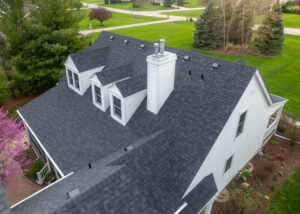
Roof matching presents unique challenges because shingles naturally fade over time and may vary from batch to batch. Shingle fading, granule texture differences, batch color variations, and discontinued product lines can all make it difficult to achieve a seamless repair.
Even slight differences are highly visible across large roof planes, especially under direct sunlight.
Siding
Siding matching can be equally complex due to sun fading, warped panels, texture inconsistencies, and manufacturer dye lot changes. Since siding covers large vertical surfaces, even small variations in color or texture can stand out prominently, making uniform replacement essential for maintaining curb appeal.
Professional contractors like 3jmext are experienced in identifying these discrepancies and providing documentation during insurance evaluations.
Financial Impact Without Matching Coverage
Approximate replacement costs:
- Full siding replacement: $10,000–$25,000+
- Full roof replacement: $8,000–$20,000+
If insurance pays only for partial replacement, homeowners may need to fund the remaining cost themselves to maintain visual uniformity.
Matching coverage protects against that financial risk.
When Matching Coverage Is Most Important
You should strongly consider matching coverage if:
- Your siding or roof is older than 10 years
- Your materials are discontinued
- You live in a hail-prone region
- You plan to sell within 5–10 years
- Your home uses premium or specialty materials
The older and more unique your exterior, the more critical it is to match protection.
If your home has experienced storm damage or you’re unsure whether your insurance policy includes matching coverage, it’s important to consult an experienced exterior professional. The team at 3jmext provides detailed inspections, verifies the disposal of discontinued materials, and supports homeowners throughout the insurance claim process to help ensure proper matching and full restoration.
Call (630) 985-6494 or fill out our contact form at 3jmext to schedule your inspection and protect your home’s value and appearance.
Conclusion
Matching siding coverage is not simply about aesthetics; it’s about protecting your home’s value, visual integrity, and financial stability after storm damage. Without it, you risk ending up with partial repairs that compromise curb appeal and potentially cost thousands out of pocket.
By reviewing your insurance policy, considering a matching endorsement, and working with experienced professionals like 3jmext.com, you can ensure your home is restored properly if damage occurs. Matching coverage provides peace of mind, ensuring that when repairs are made, your home looks whole again, not pieced together.
FAQs
Matching coverage: what is it?
You can add matching siding and roofing coverage to your homeowner’s insurance policy as an endorsement.
How is siding matched?
Paint Matching: If minor color differences persist, consider painting the entire exterior of the house a color that harmonizes with the new and old siding.
Which type of siding is ideal for insurance?
The majority of insurers favor brick, stucco, and concrete because they are typically flame-retardant, reducing the risk of losing the entire building. This information may help you make a selection.
Why is siding necessary?
Maintaining the exterior of your house is essential to preserving its value and aesthetic appeal. Siding is one of the most crucial elements of your house’s exterior. In addition to determining how your house looks, the siding shields it from inclement weather and even structural damage.
What are the four types of coverage?
The four main types of homeowners’ insurance coverage include dwelling coverage, which protects the structure of your home; other structures coverage, which covers detached buildings like garages or sheds; personal property coverage, which protects your belongings inside the home; and liability coverage, which provides financial protection if someone is injured on your property or you cause damage to others.