
Windows are more than just functional openings that let in light and fresh air — they are architectural features that can completely transform the way your home looks and feels. The right window styles don’t just frame a view; they set the tone for your interior spaces, influence your home’s curb appeal, and even impact its energy efficiency. Choosing between a picture window, double hung window, or casement window is as much about aesthetics as it is about practicality.
This guide explores the most popular window styles with a designer’s eye — showing you how each one works, where it shines, and how to pair it with your home’s architecture for a cohesive look.
Picture Windows: Framing the Outdoors Like Artwork
Few window styles make as bold a statement as the picture window. These large, fixed windows offer unobstructed views of the outdoors, almost like a giant painting hung on your wall.
Designer’s Insight: Picture windows are perfect for showcasing a spectacular view — a lush garden, a mountain backdrop, or even a city skyline. They create a strong visual connection between indoors and out, ideal for minimalist spaces that rely on natural scenery as their focal point.
Where to Use: Living rooms, dining areas, or any room where the view is a feature in itself.
Pro Tip: Pair picture windows with operable windows like casements or awnings nearby for ventilation while keeping the visual drama intact.
Double Hung Windows: Classic and Versatile Windows
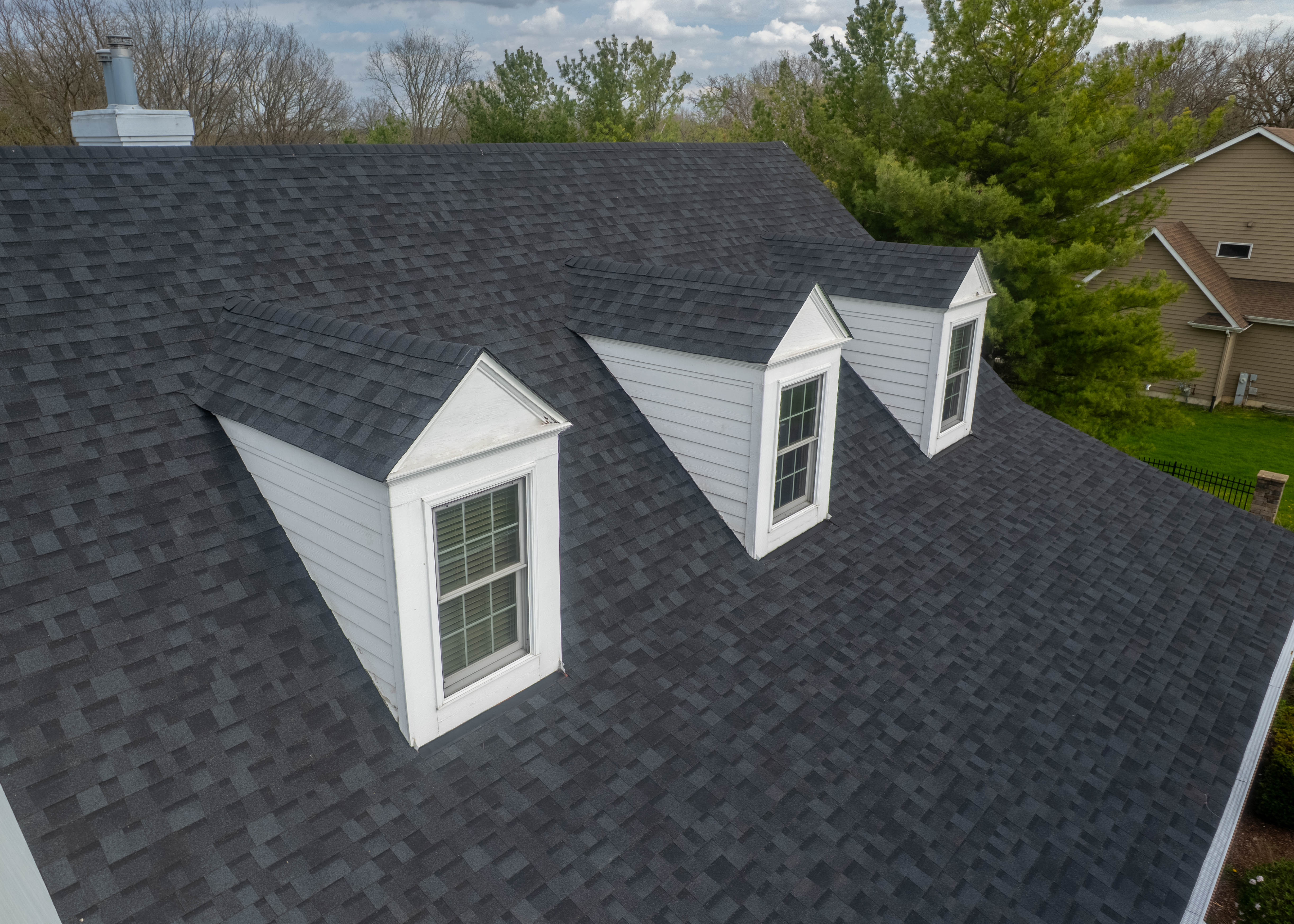
The double hung window is a timeless choice that works with almost any architectural style. It features two operable sashes that slide vertically, allowing for excellent airflow.
Designer’s Insight: Double hung windows strike the perfect balance between tradition and function. Their clean lines make them versatile enough for Colonial, Craftsman, and even modern homes.
Where to Use: Bedrooms, kitchens, or anywhere ventilation and easy cleaning are priorities. (Many double hung windows tilt inward, making them simple to wash.)
Pro Tip: Opt for grilles or muntins to enhance historical character, or keep the glass clear for a more contemporary look.
Single Hung Windows: Simplicity with Style
The single hung window is similar to its double hung cousin, but only the bottom sash is operable.
Designer’s Insight: Single hung windows are excellent for spaces where budget and simplicity are priorities but you still want a classic, balanced look.
Where to Use: Secondary bedrooms, hallways, and bathrooms.
Pro Tip: Since the top sash is fixed, single hung windows are slightly more energy efficient than double hung models.
Casement Windows: Clean Lines and Maximum Airflow
The casement window swings open like a door, operated with a crank handle.
Designer’s Insight: Casements offer an uninterrupted pane of glass, making them a favorite in contemporary and mid-century designs. When open, they catch side breezes and funnel them indoors, which can help naturally cool your home.
Where to Use: Kitchens (above sinks), living rooms, and areas where ventilation is key.
Pro Tip: Combine casement windows with fixed picture windows for a modern, airy wall of glass.
Awning Windows: Practical and Charming
The awning window is hinged at the top and opens outward, creating a small roof-like effect.
Designer’s Insight: Awning windows are perfect for rainy climates since you can keep them open during a drizzle without letting water inside.
Where to Use: Bathrooms, basements, or paired above or below larger fixed windows.
Pro Tip: Awning windows look especially elegant when grouped in a row along a hallway or above a countertop for a continuous band of light.
Hopper Windows: The Compact Solution
The hopper window is the opposite of the awning — hinged at the bottom, it tilts inward from the top.
Designer’s Insight: These windows are compact and efficient, perfect for spaces where wall space is limited but ventilation is needed.
Where to Use: Basements, laundry rooms, or utility spaces.
Pro Tip: Choose a hopper window with a locking mechanism for added security in lower-level installations.